How to Clean Hardwood Floors to Make Them Shine: The Best Ways to Clean Without a Machine
We may earn a commission from affiliate links to products on this page, at no additional cost to you. Learn more
In everyday life, when I think about how to clean hardwood floors, what matters most to me is saving effort, bending over less, cleaning quickly and efficiently, and restoring the wood floors’ natural shine after cleaning. The good news is that most hardwood floors treated with modern techniques don’t require professional care or maintenance, which makes our daily chores much easier.
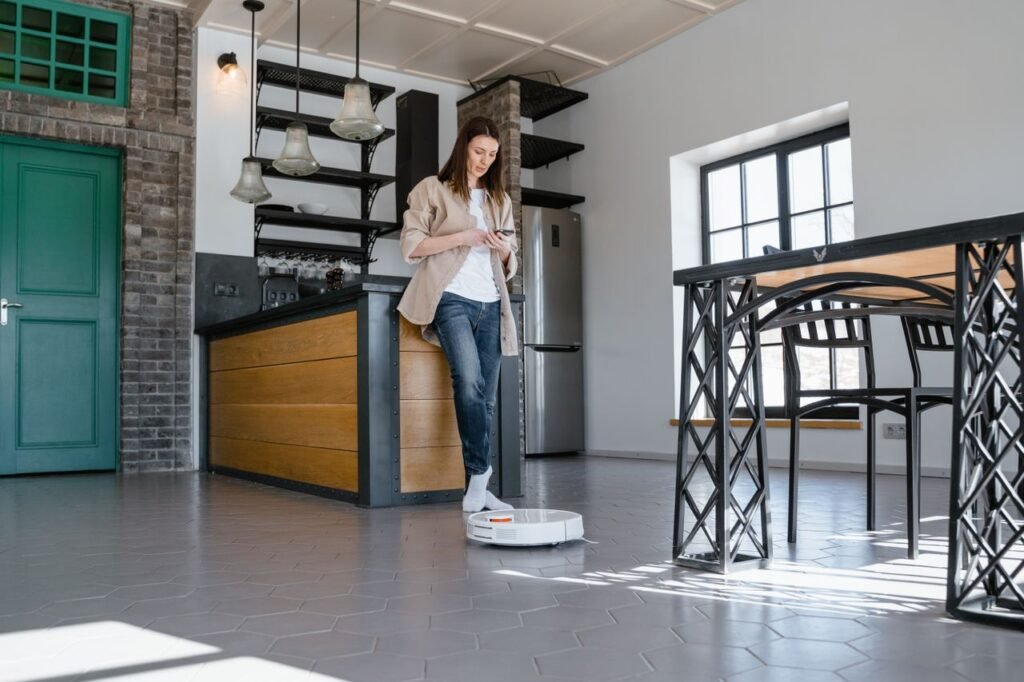
If you have the time and energy, a few simple tools are all you need to get the job done. Of course, a smart robot vacuum can save you more effort, but it usually isn’t cheap. Well, what exactly should we use to clean wood floors in everyday life? Read on.
How to Clean Hardwood Floors: Tools and Methods
What to Use to Clean Wood Floors: The Right Tools
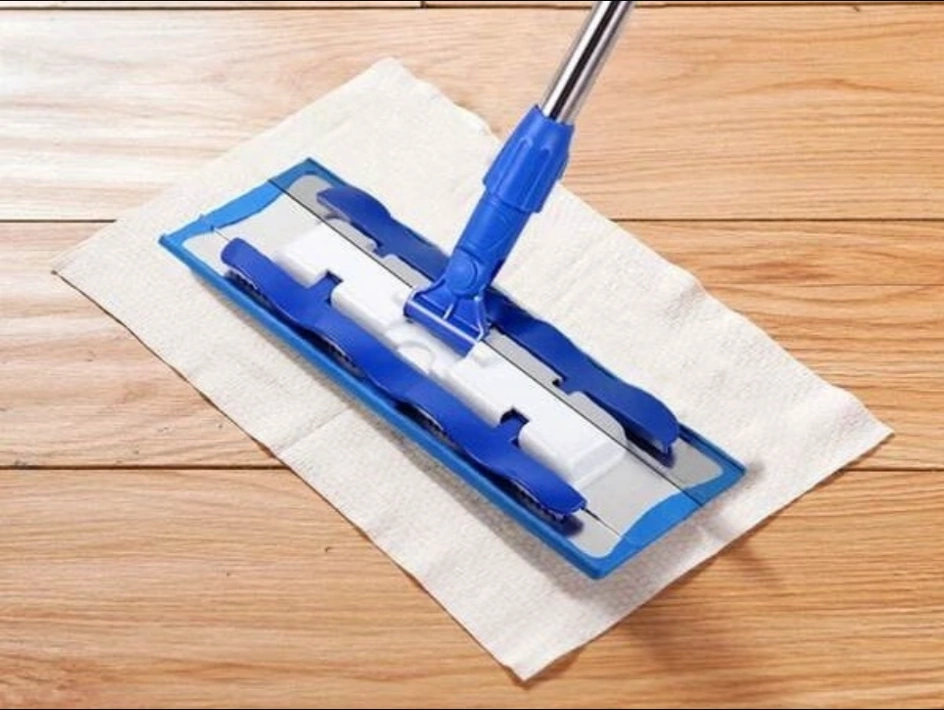
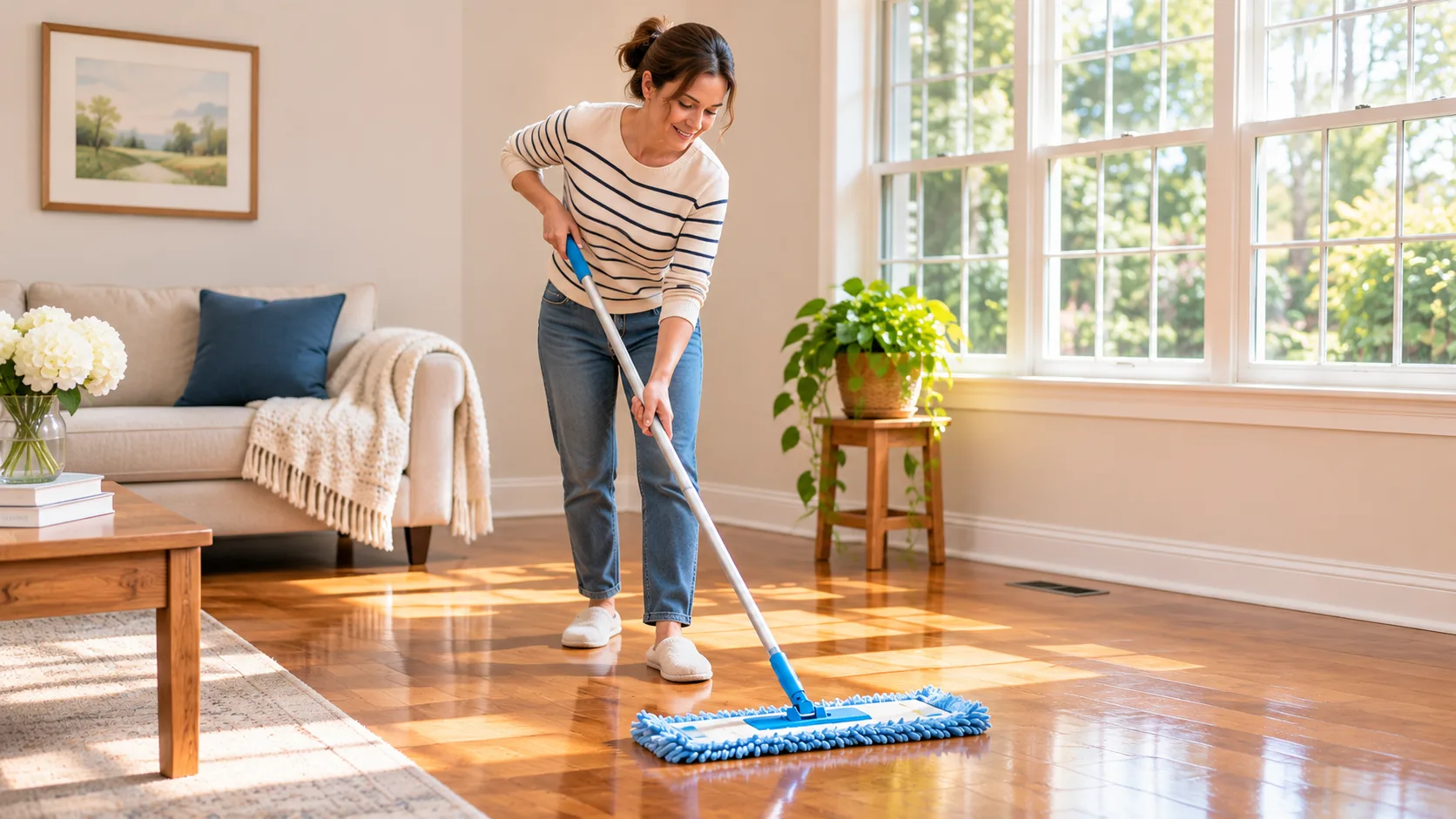
Clip-On Microfiber Flat Mop
Cleaning Steps
Cleaning hardwood floors isn’t a strenuous chore. The hassle is having to clean them regularly. That’s why a simple, easy-to-follow cleaning method is especially important. Choose tools that are easy to handle, try to bend over less, and let’s get started.
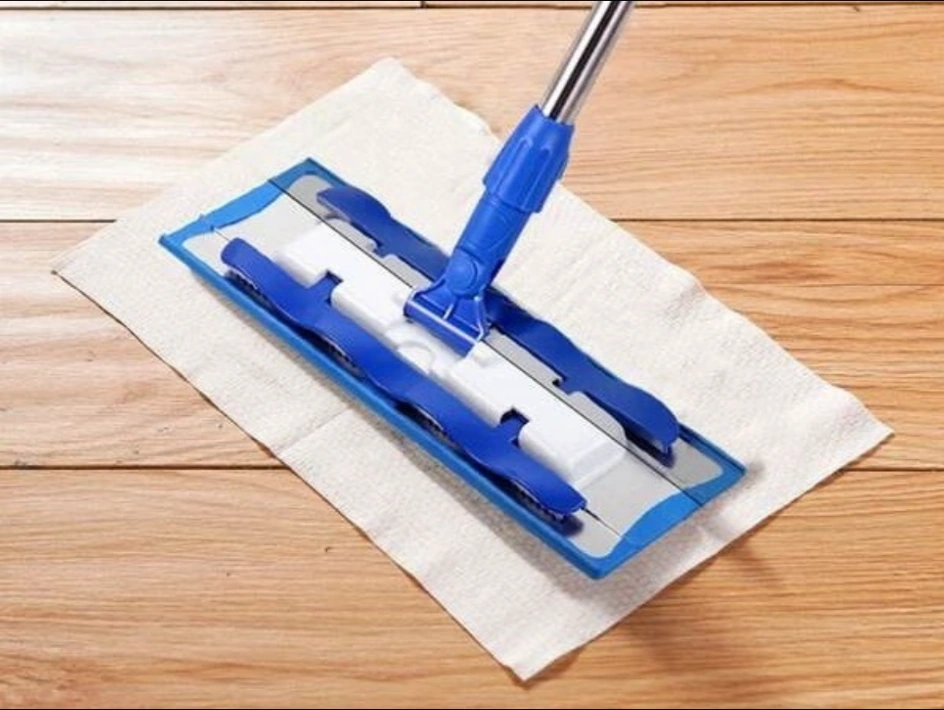
Step 1: Dry Dusting
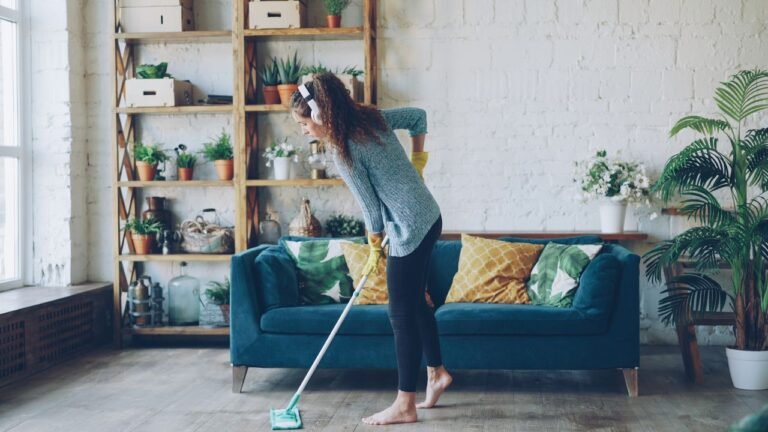
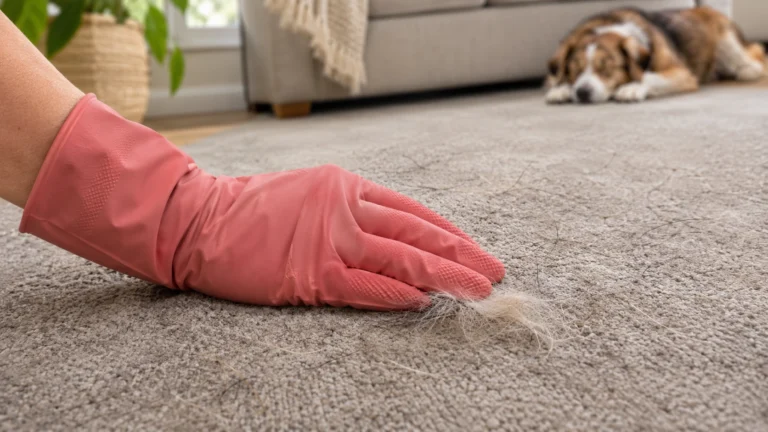
Before cleaning, clip a disposable cleaning cloth onto the mop and remove dust, hair, and fine particles from the floor.
Tip: Move the mop along the wood grain to remove the loose dust and prevent particles from scratching the floor as you go.
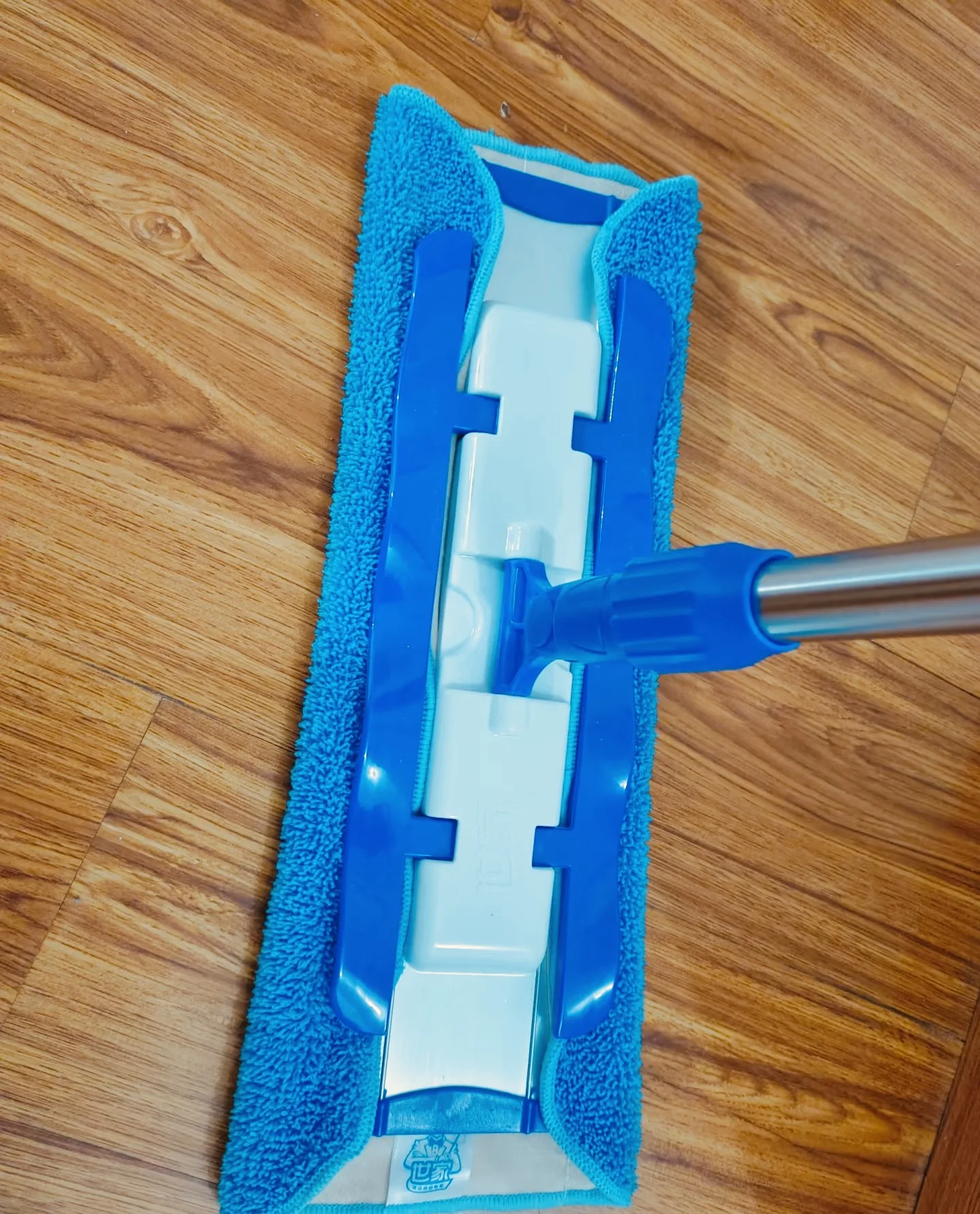
Step 2: Damp Mopping to Remove Dirt and Stains
Following the product instructions, mix the floor cleaner into warm water. Dip the cleaning cloth into the diluted solution, wring it out until it’s slightly damp but not dripping, then attach it to the mop. Mop evenly along the wood grain until the floor is clean. I usually use warm water. When I mop with cold water, there’s a fishy smell afterward. I’m not sure why.
Tip: You don’t need much floor cleaner for everyday cleaning.
Step 3: Ventilate and Let the Floor Air-Dry
The floor may still be a little damp right after mopping, so try to avoid walking back and forth on it. Keep the room ventilated and let the floor air-dry naturally.
Step 4: How to Deep Clean Hardwood Floors
For stubborn stains you notice after regular mopping, you can use a cleaner suitable for your wood floor’s finish and spot-clean the stained area with a slightly damp, soft cloth. Avoid using stiff brushes or too much water, and dry the area promptly afterward.
In high-traffic areas where dirt has built up, clean one small section at a time instead of repeatedly mopping the entire floor. For dirt trapped in the grooves or along the edges, gently loosen it with a soft brush and remove it with a dry cloth. If a stubborn mark remains after cleaning, it may be caused by damage to the floor’s finish rather than surface dirt.
For methods on how to deep clean hardwood floors, see Best Way to Clean Floors: How to Mop Without Streaks.