How to Choose a Sleeping Bag: What’s Worth Paying For

We may earn a commission from affiliate links to products on this page, at no additional cost to you. Learn more
Introduction
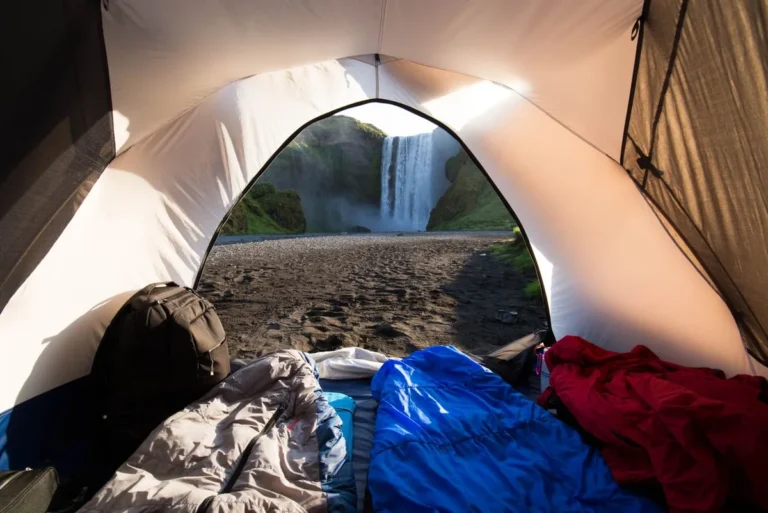
Outdoor adventures are always something to look forward to, but a good night’s sleep is often what lets you enjoy the next day too. As the excitement and fatigue of the day start to fade, slipping into a warm, well-fitting sleeping bag makes it much easier to relax and drift off to sleep. I think that’s the kind of night every camper hopes for.
But it doesn’t always go that way. I’ve woken up in the middle of the night because I was cold. After that trip, I started paying much closer attention to sleeping bags and learned that the temperature printed on the bag doesn’t automatically mean you’ll be comfortable at that temperature. These days, I leave myself some extra warmth and look at the temperature rating, insulation, weight, moisture performance, shape, and fit. If I’m carrying the bag a long way, packed size matters too.
So how to choose a sleeping bag isn’t about finding the warmest or most expensive option. It’s about finding the one that fits the way you actually camp. Below, I’ll walk through these factors step by step, drawing on my own experience and what I’ve learned from the research and sources I’ve reviewed, in the hope of helping you avoid some unnecessary trial and error.
Choose a Sleeping Bag for Your Camping Style
When I’m shopping for a sleeping bag, I set temperature ratings, down vs. synthetic, and mummy vs. rectangular shapes aside for a minute and first think about where the bag is actually going.
A bag that only has to move from the trunk to the tent is a very different choice from one I’ll carry all day. Different seasons bring different temperatures, and if the people you’re camping with change, what you need from a sleeping bag can change too.
That’s why the sleeping bag you choose should depend on how you plan to use it. Different use cases call for different temperature ratings, insulation, shapes, and weights.
Camping Sleeping Bags
For ordinary camping, when nighttime temperatures are fairly stable and the gear doesn’t need to be carried long distances, I’d definitely prioritize a sleeping bag with enough room to sleep comfortably. I don’t love feeling wrapped up too tightly. Being able to turn over naturally and having a little room around my shoulders and legs makes it easier to relax. Rectangular and semi-rectangular bags usually give you more space, even if that means a little more weight and bulk. For regular camping, that’s usually an easy trade-off to live with.
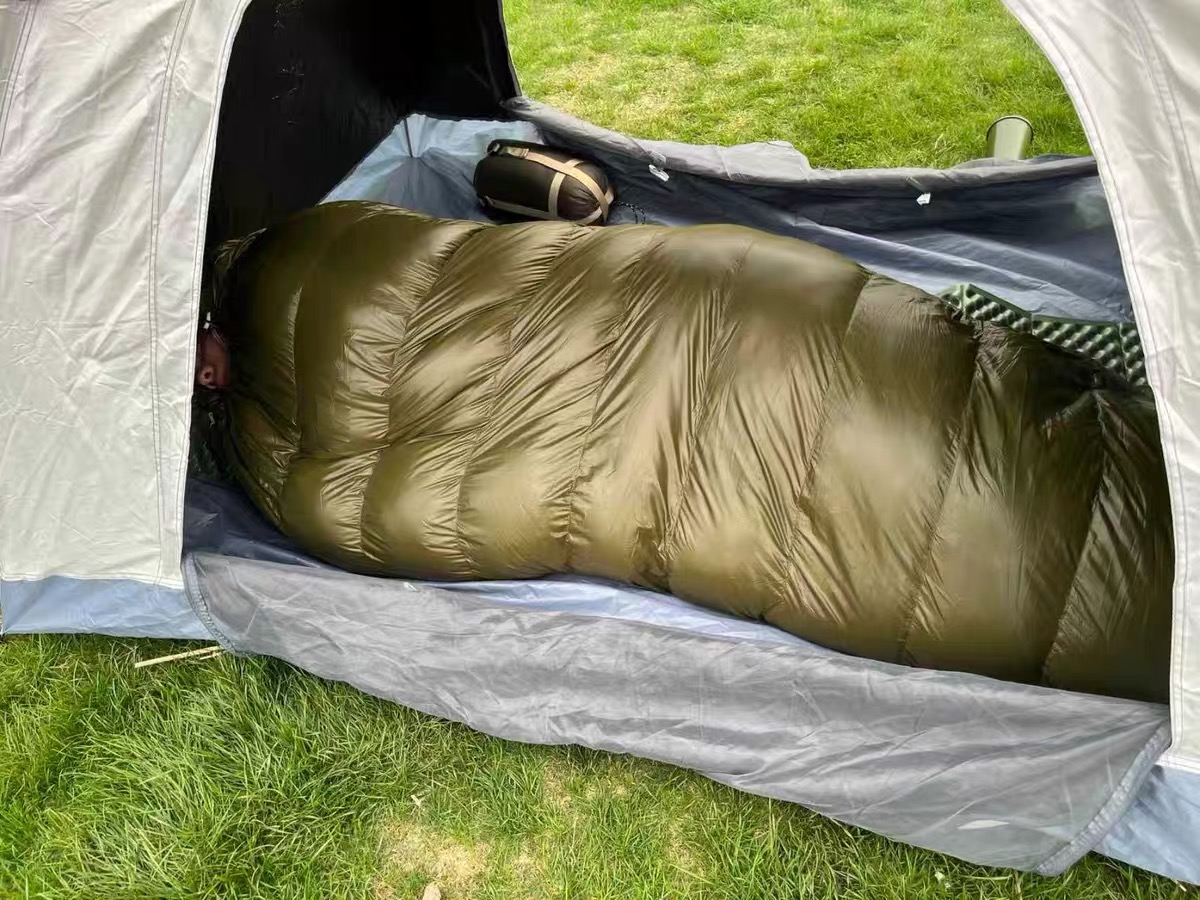
The lining is worth paying attention to too. You’re going to be against it for hours, and the wrong feel can make the whole night less comfortable. Give the zipper a quick check too, especially to see whether it opens from the foot end or has two-way adjustment. On a warmer night, letting a little heat out from the bottom can feel much better than opening the whole bag.
Lightweight design isn’t my first priority for ordinary camping. If the rating fits the nighttime temperature, the bag feels comfortable, and the size works, that’s enough.
If most of your trips are regular camping, you can also take a look at my Best Sleeping Bags for Camping guide, where I’ve put together options that make more sense for this kind of use.
Car Camping Sleeping Bags
For car camping, weight and packed size don’t need to sit at the top of the list. Comfort, temperature rating, and room matter more, and it’s also worth deciding whether you want a single bag or something roomy enough for two. In this kind of camping, I care more about how the bag looks too.
Backpacking, Hiking & Trekking Sleeping Bags
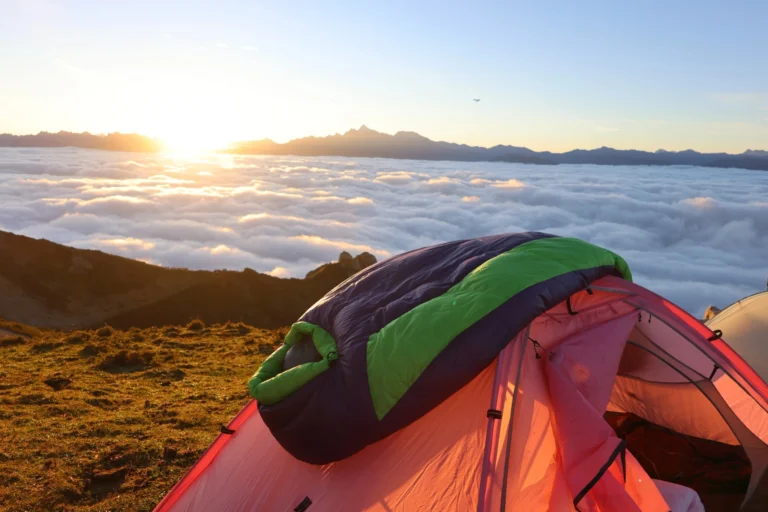
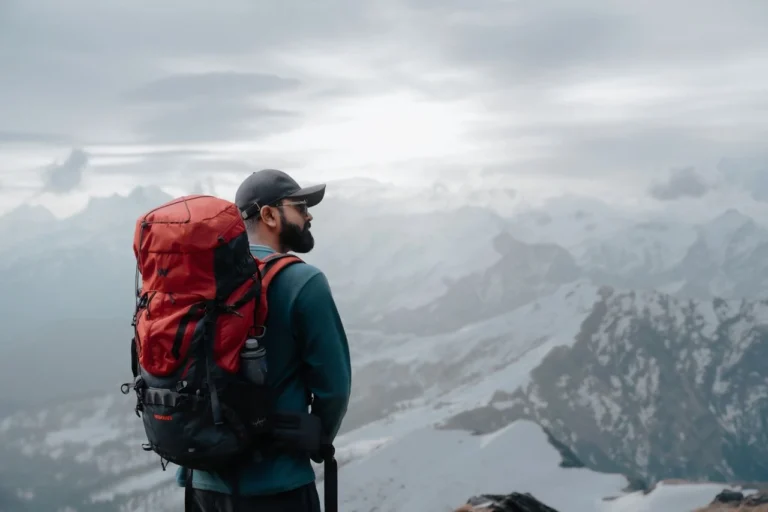
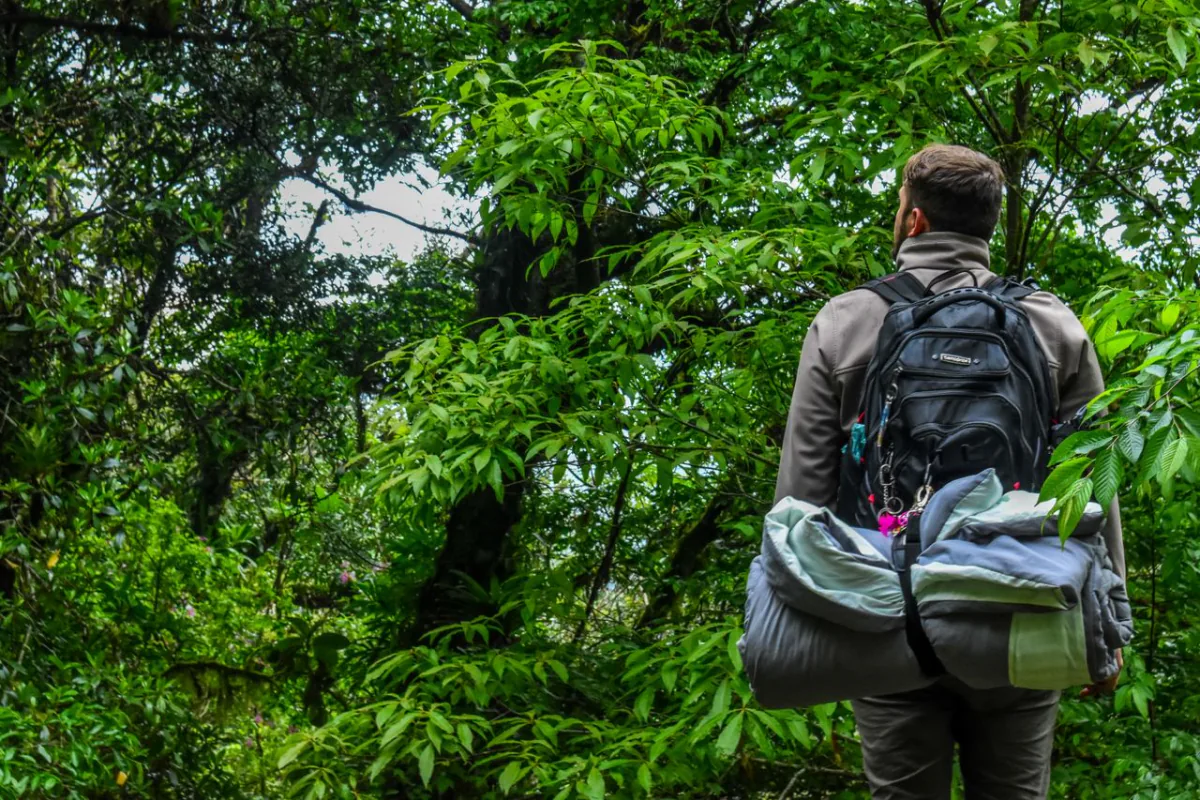
Once the pack is on your shoulders, weight and bulk start to matter. A big sleeping bag is harder to pack and adds more load, so I look for a temperature rating, packed size, and overall weight that make sense for the season and the trip.
For specific models, see my guide to the best backpacking sleeping bags, with six options for different budgets and trips.
Lightweight & Ultralight Sleeping Bags
Going lighter usually means giving something up. The shape may be closer-fitting, the fabric may be thinner, and some ventilation or extra features may disappear. I try to find a balance between weight, warmth, and how comfortable the bag is to sleep in. Packed size matters too—a compact sleeping bag is much easier to fit into a backpack that’s already full.
Cold-Weather & Winter Sleeping Bags
For cold-weather or winter camping, start with the lowest overnight temperature you expect. Look for a hood, a draft collar around the shoulders and neck, and a draft tube along the zipper, and pay attention to how the bag handles water and moisture.
The sleeping pad underneath you matters too. Your body compresses the insulation under the bag, so cold from the ground can still work its way up. In colder conditions, it pays to look at the whole setup instead of the sleeping bag alone.
A 0°F sleeping bag, or a bag labeled 10°F or 20°F, looks straightforward at first. Those numbers still need to be read alongside Comfort, Lower Limit, and the conditions you’ll actually sleep in.
If you’re having trouble choosing a sleeping bag for winter, take a look at my guide to the best cold-weather and winter sleeping bags. Hopefully, it’ll help you find one that feels right for your needs.
Summer & 3-Season Sleeping Bags
When choosing a sleeping bag for summer, take a closer look at how well it lets heat escape. A foot vent, partial opening, or a design that can open flat like a blanket can be very useful in warm weather.
A summer sleeping bag usually doesn’t need a lot of extra insulation, so weight and packed size move higher on the list.
A 3-season sleeping bag has to cover a wider range. Spring and fall nights can get chilly, while summer can feel warm, so I like a design with some room to adjust. I choose around the seasons and places I actually camp most often. Carrying a lot of extra insulation all year for one rare cold night doesn’t make much sense to me.
Sleeping Bags for Kids
When buying a sleeping bag for a child, don’t just think, “Buy it bigger so it’ll last for years.”
A little room to grow is fine, but too much space isn’t always helpful. The more empty space inside the bag, the more air a child’s body has to warm. A roomier camping bag can be more comfortable, but it can also be less thermally efficient.
There are sleeping bags made specifically for kids. Some brands change the cut and insulation layout for children instead of simply shortening an adult bag.
Choose the size based on your child’s current height, leave a reasonable amount of room to grow, and then check that the temperature rating fits the seasons your family normally camps in. It’s also worth trying the zipper position—if your child can get in and out of the sleeping bag easily on their own, that’s one less thing to deal with at camp.
Best Kids’ Sleeping Bags
|
Recommendation |
Product |
Best For |
Amazon |
|---|---|---|---|
|
Best Overall |
Coleman Kids 45°F Sleeping Bag |
Regular family camping and mild-weather nights; designed for kids up to about 5’5″ (165 cm). |
|
|
Best Mummy Style |
REDCAMP Kids Mummy Sleeping Bag |
Three-season camping, hiking, and outdoor sleepovers for kids who prefer a closer mummy-style fit. |
|
|
Best for Camping & Sleepovers |
KidzAdventure Mummy Kids Sleeping Bag |
Camping, family trips, and sleepovers in roughly 32–59°F (0–15°C) conditions. |
|
|
Best for Younger Kids |
RIOYALO Kids Sleeping Bag 4T–10T |
Warm-weather camping and indoor/outdoor use for younger kids around 4T–10T; roughly 45–80°F (7–27°C). |
|
|
Best for Colder Weather |
TETON Celsius Junior 20°F Sleeping Bag |
For kids camping in cooler conditions; the 20°F rating should not be treated as a guaranteed comfort temperature. |
I’ll come back to length, width, and fit later in the Size & Fit section.
Double Sleeping Bags
A double sleeping bag makes the most sense when shared space and sleeping together comfortably matter more than keeping everything small.
For couples or family car camping, sharing one roomy bag can feel much more like sleeping at home than squeezing into two narrow single bags. The catch is that two people may sleep at very different temperatures. One person runs hot, the other likes to stay bundled up, so having some way to adjust each side helps.
When I look at a double bag, I pay attention to the zippers on both sides. Separate foot ventilation is useful, and a bag that can split apart gives you more flexibility when two sleepers want different things.
For camping near the car, the extra weight and bulk are usually manageable. If you have to carry everything a long way, you’ll need to consider how much backpack space that extra comfort is worth.
Okay, once the camping style is clear, the next thing to look at is the temperature rating.
The number looks simple, but it’s easy to misread. A 20°F label on the bag doesn’t mean everyone will sleep comfortably at 20°F. That’s where the next section starts.
What Sleeping Bag Temperature Rating Do You Need?
The 0°F, 10°F, 20°F, and 30°F numbers on sleeping bags are hard to miss, but they don’t mean you’ll automatically be comfortable at those exact temperatures.
When buying a sleeping bag, consider how you’ll actually use it, including the expected overnight low where you’ll be camping. Then check the specs for the Comfort Rating and Extreme Rating.
So the first step with a sleeping bag temperature rating isn’t finding the lowest number. It’s understanding what that number actually means.
How Sleeping Bag Temperature Ratings Work
Many adult sleeping bags today are tested under ISO 23537, or use the familiar EN/ISO rating framework, to measure thermal performance.
The biggest benefit of that kind of testing is that it gives shoppers a more consistent baseline for comparing bags across brands.
The outdoors isn’t as controlled as a lab, though. If a product name says 20°F, keep reading the spec sheet to confirm whether that 20°F refers to the Comfort Rating or the Lower Limit.
The number in the product name is useful for narrowing the field, but it doesn’t replace the full spec sheet.
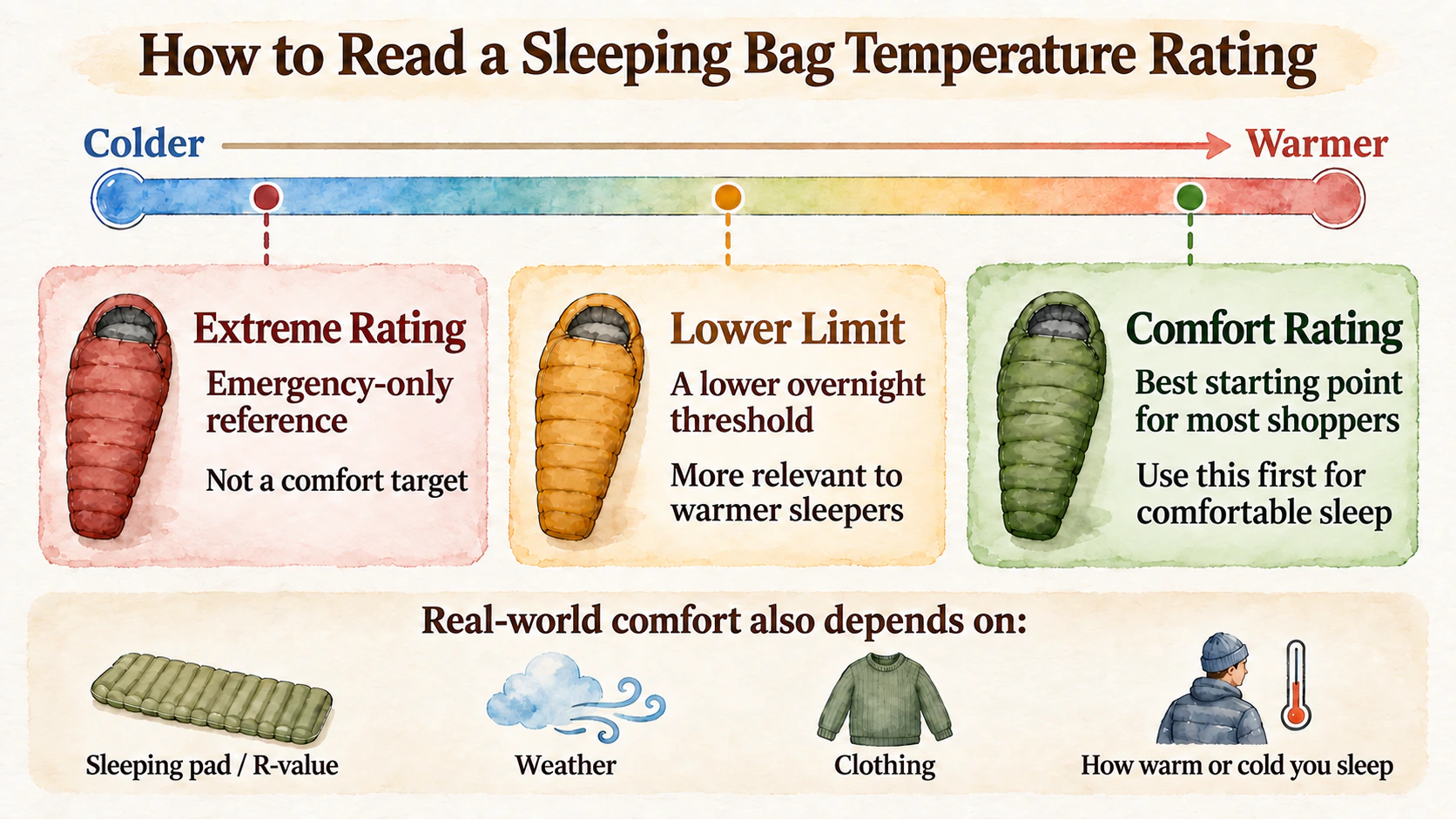
Comfort, Lower Limit & Extreme
| Rating | How I Read It |
|---|---|
| Comfort Rating | The first number I use to judge whether a night is likely to feel comfortable. |
| Lower Limit | A lower temperature associated with a warmer sleeper being able to maintain sleep; it is usually below Comfort. |
| Extreme Rating | An emergency survival reference, not the temperature I would use as a normal comfort target. |
Everyone experiences cold differently, so I use these ratings for comparison and screening, not as a promise that any one night will feel comfortable.
0°F, 10°F, 20°F or 30°F?
If summer nights are around 65–70°F, I would start by looking at bags with a Comfort Rating around 55–60°F.
For spring or fall backpacking, if the overnight low may reach about 32°F, I pay more attention to bags with Comfort ratings in the 20s.
Deep winter is different. If the expected overnight low is close to -5°F, I would look for a Comfort Rating around -10°F to -15°F.
| Typical Use | Expected Overnight Low | Comfort Rating I’d Start With |
|---|---|---|
| Warm-weather camping | 65–70°F | Around 55–60°F |
| Spring/fall backpacking | About 32°F | In the 20s°F |
| Deep-winter trip | About -5°F | -10°F to -15°F |
The colder the weather, or the harder it is to predict the nighttime low, the more warmth margin you should leave. In wet or rainy conditions, you should also pay attention to moisture performance.
A bag that’s a little warm can usually be vented. Waking up cold in the middle of the night is much harder to fix.
Summer, 3-Season & Winter Ratings
Labels like summer sleeping bag, 3-season sleeping bag, and winter sleeping bag are useful for narrowing things down quickly.
Those season labels aren’t standardized temperature ratings, and brands don’t all define them the same way.
Use the season label as a first filter. When it’s time to buy, I go back to the expected overnight low and the actual Comfort Rating.
A 3-season bag has to handle a wider temperature range, so ventilation and adjustability matter more. In winter, the sleeping bag also has to work with the sleeping pad underneath it.
Why the Same Rating Can Feel Different
The same 20°F sleeping bag can feel very different with a different sleeper or a different pad underneath.
The insulation under you matters a lot too. A sleeping pad’s R-value affects how much heat is lost to the ground, and wind, humidity, clothing, and even how you feel that day can change the way a night feels.
I’m a cold sleeper myself, so I naturally leave a little more warmth margin.
That’s why I eventually look at the sleeping bag as part of the whole sleep system.
The rating gives me a starting range. The pad, the weather, and my own temperature tolerance tell me whether I need to move that range warmer.
Once the temperature rating makes sense, the next question is what the sleeping bag is filled with—down or synthetic insulation.
Down vs. Synthetic Sleeping Bag Insulation
Once the rating is sorted out, I look at sleeping bag insulation. The two common choices are down and synthetic. Both can be built to the right temperature rating, but once you take them outside, the differences in weight, moisture performance, and packed size become much more noticeable.
I prefer to start with how the bag will be used, then decide whether the extra cost of down is worth it. The material itself doesn’t need to be the ‘best’—it needs to fit the trip.
When Down Makes Sense
If I’ll be carrying the bag a long way, I usually look at a down sleeping bag first. At a similar temperature rating, down insulation tends to offer a better warmth-to-weight ratio, and it usually packs down smaller too. That’s where its packability really pays off.
The downside is moisture. Down needs to stay lofty to insulate well, and when it gets very wet, loft drops and warmth can suffer. It also usually takes longer to dry than synthetic insulation. Hydrophobic down can add some margin in damp conditions, but it still isn’t waterproof, so keeping the bag dry remains important.
Best Water-Resistant Down Sleeping Bag

Kelty Cosmic 20 Down Sleeping Bag
A down sleeping bag with a DWR-treated shell that adds protection against light moisture while keeping the warmth and packability of down.
When Synthetic Makes Sense
For damp or rainy trips, a synthetic sleeping bag deserves a closer look. Synthetic insulation usually keeps more of its insulating ability when damp and dries faster. Over several days of camping, tent moisture and condensation are normal enough that the extra margin can be useful.
At a similar rating and size, synthetic bags are usually heavier and bulkier. That matters less when the bag is riding in a car. If it has to fit in a backpack all day, the trade-off becomes much more noticeable. Synthetic bags are also usually easier on the budget.
In wet conditions, synthetic insulation simply gives you more room for error. If the bag actually gets soaked, neither material is going to feel good to sleep in.
How to Read Down Fill Specs
If I end up choosing down, I don’t look at fill power alone. A spec sheet may also show the down-to-feather ratio, down cluster content, and fill weight. Those numbers are describing different things.
A label such as 90/10 goose down is mainly telling you the approximate mix of down clusters and feathers in the fill. Down clusters are the part that lofts up and traps air; feathers are heavier and don’t create the same three-dimensional loft. I read that ratio as a description of the fill composition, not as a direct temperature rating for the whole sleeping bag.
Then there’s fill power. Numbers like 650, 800, and 900 describe how much volume a given amount of down can loft into. Higher fill power generally means more loft for the same weight, which makes it easier to build a lighter, more compressible bag with a strong warmth-to-weight ratio.
I still wouldn’t use 650 / 800 / 900 fill power by itself to decide which bag is warmer. Two bags can both use 800-fill down and still have different warmth if the amount of down inside is different.
That’s where fill weight comes in. It tells you how much down is actually inside the bag.
So when looking at a down sleeping bag, go back to the temperature rating first. Once the rating fits the conditions you expect, look at the down composition, how much fill is used, and how efficiently the down lofts. That’s more useful than focusing on an 800 or 900 number by itself.
Down vs. Synthetic — Quick Comparison
| What to Compare | Down | Synthetic | How I’d Choose |
|---|---|---|---|
| Weight & Packability | Usually lighter and packs smaller | Usually heavier and bulkier | I lean toward down when I have to carry the bag far. |
| Wet Conditions | Needs to be kept drier; hydrophobic down adds some margin | Usually keeps insulation more reliably when damp and dries faster | For rain or heavy condensation, I look harder at synthetic. |
| Cost | Usually more expensive | Usually easier on the budget | For ordinary camping, synthetic can offer strong value. |
| Long-Term Use | With good care and storage, loft often holds up longer | Loft may decline more noticeably over long use | Lifespan depends on more than the insulation type; care matters too. |
| Best Use | Backpacking where weight and packed size matter | Damp conditions, car camping, and tighter budgets | Choose around the trip instead of chasing the ‘best’ material. |
Okay, once the insulation is sorted out, the next thing to look at is the shape of the sleeping bag.
Choose the Right Sleeping Bag Shape and Fit
Choosing a sleeping bag shape isn’t just about what looks good. It also has to fit the way you sleep. Like I mentioned earlier, I don’t like being wrapped too tightly, but when it gets really cold—around -22°F—a closer fit does help hold warmth. Temperature, comfort, season, and the kind of trip all need to be considered carefully.
Mummy vs. Rectangular vs. Semi-Rectangular
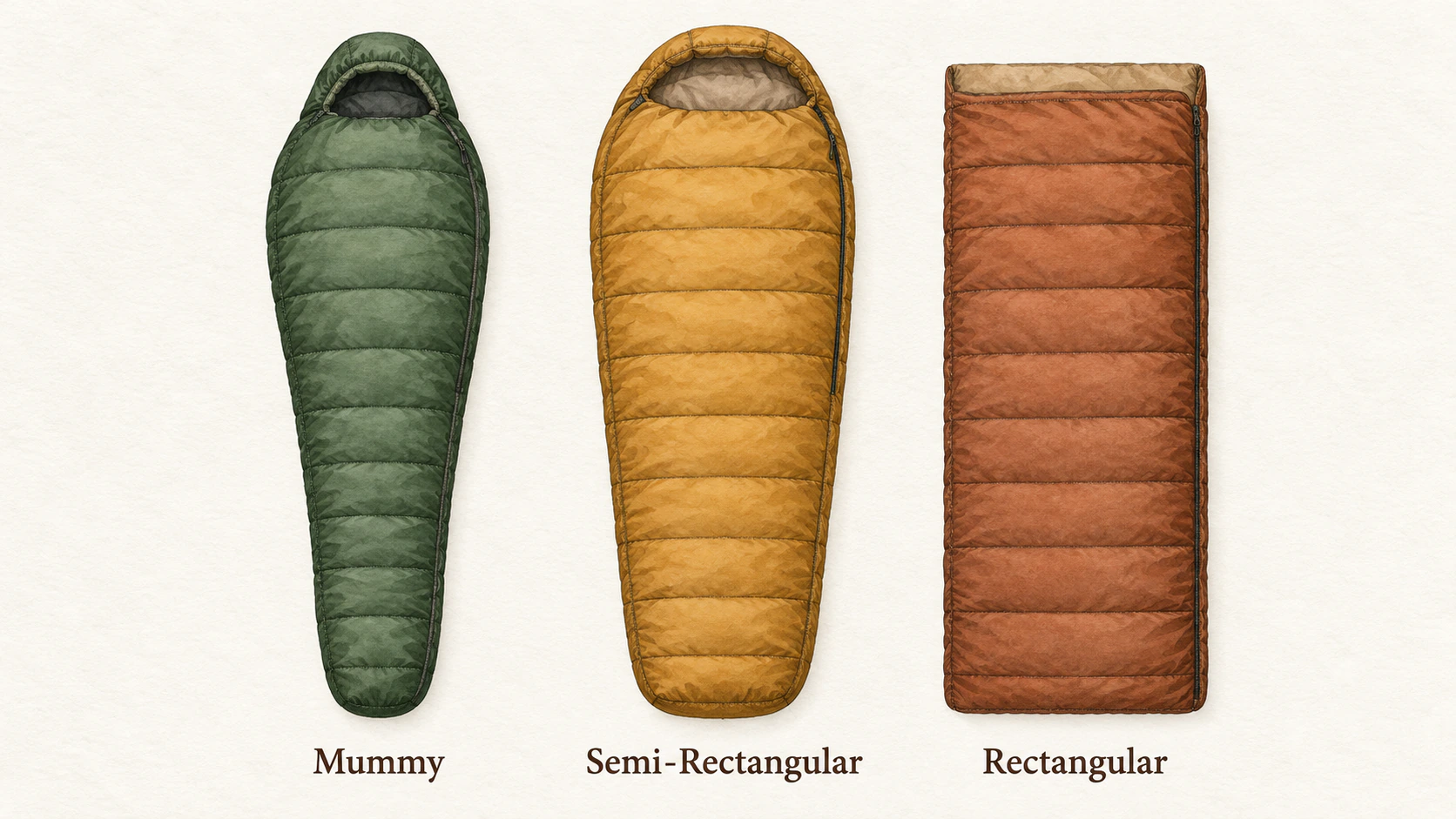
If it’s cold or I’ll be carrying the bag a long way, a mummy sleeping bag is worth looking at. The cut stays closer to the body, with less empty space around the shoulders and feet, and the weight and packed size are usually easier to control. The trade-off is simple: if you move around a lot at night, it can feel restrictive.
For car camping, a rectangular sleeping bag is easy to like. There’s much more room around the shoulders and legs, and sleeping in it feels closer to being in a regular bed. It usually takes up more space, but if it’s only going from the trunk to the tent, that doesn’t bother me much.
If a mummy bag feels too tight but a full rectangular bag feels too roomy, a semi-rectangular sleeping bag sits in the middle. It gives your body more room than a mummy bag without feeling as loose as a large rectangle. For most people, understanding these three sleeping bag types is enough to narrow the field.
You’ll also see quilts in lightweight backpacking. They’re more open and depend more on the sleeping pad underneath. They’re worth knowing about, but this guide is mainly about sleeping bags, so I won’t turn this section into a full quilt guide.
Sleeping Bag Shape — Quick Comparison
| Type | How It Feels | Main Trade-Off | When I’d Look at It |
|---|---|---|---|
| mummy sleeping bag | Close-fitting | Less room to move; easier to control weight and bulk | Cold conditions, backpacking |
| semi-rectangular sleeping bag | Roomier than a mummy | A middle ground between comfort and bulk | More room without going fully rectangular |
| rectangular sleeping bag | Roomiest | Usually bigger and heavier | Car camping and sleeping space |
| quilt | More open | Depends more on the sleeping pad | An adjacent option for lightweight trips |
How Much Room Do You Need?
Shape is only the first step. Even two mummy bags—or two rectangular bags—can have very different room through the shoulders, hips, and legs. When checking the spec sheet, pay attention to the girth measurement. It can tell you more about how tight the bag may feel than a simple Regular or Wide label.
If you sleep on your side or move around a lot, that sleeping style usually needs a little more room. A wide sleeping bag can be worth a look. There’s no reason to squeeze yourself into an obviously uncomfortable bag just for the sake of warmth.
Get the Length and Size Right
Sleeping bag size deserves a close look. Regular, Long, and Wide are common labels, but actual sleeping bag sizes vary by brand. Check the sleeping bag size chart and the listed sleeping bag dimensions before you decide.
Some brands also separate women’s sleeping bags from unisex sleeping bags. I wouldn’t choose based on the label alone. The size chart still matters most—especially the length and the room through the main parts of your body.
Once you’ve found a shape you like and the size is right, it’s time to look at weight, packed size, and what you’re paying for.
What Else to Look for Before Buying a Sleeping Bag?
Once temperature, insulation, shape, and size are settled, comparing specific models gets much easier. I check the total weight and packed size, look over small details like the zipper and hood, and then decide whether a price difference is buying me anything I’ll actually use.
Check the Weight and Packed Size
When you compare sleeping bag weight, make sure you’re looking at the total weight of the whole bag. The fill weight mentioned earlier is only the weight of the insulation. For a fair comparison, use the same size—putting a Long next to a Regular can make the numbers look misleading.
For car camping, I don’t spend much time worrying about a few extra ounces. On a trip where I’m carrying everything, backpacking sleeping bag weight matters a lot more. If a bag is labeled lightweight or ultralight, I still check that the warmth is actually what I need.
If the weights are close, I look at packed size next. Some brands list the dimensions in the original stuff sack; others show compressed dimensions, so those numbers aren’t always directly comparable. Compressibility and packability are useful, but the practical question is how much room the bag takes up in your pack. A compact sleeping bag is a lot easier to fit when you’re already carrying a full load.
Best Lightweight / Ultralight Sleeping Bags

BEST OVERALL LIGHTWEIGHT
Naturehike Lightweight Compact Sleeping Bag
A compact 1.67-lb sleeping bag with a roomy envelope shape and compression sack, well suited to camping, hiking, and lightweight travel.
Best For
Lightweight camping
Hiking and travel
Campers who prefer more room to move
Key Advantage
About 1.67 lb (0.76 kg)
Roomy envelope-style design
Compression sack for easier packing

BEST ULTRALIGHT FOR WARM WEATHER
REDCAMP Ultra Lightweight Compact Sleeping Bag
A 1.5-lb ultralight sleeping bag designed for warm-weather camping and backpacking, with a listed range of 59–77°F (15–25°C).
Best For
Warm-weather camping
Lightweight backpacking
Travel where packed size matters
Key Advantage
About 1.5 lb (0.68 kg)
Ultralight and compact
Designed for mild and warm conditions
Check the Zipper and Warmth Features
The zipper is a small detail until it jams in the middle of the night. If you can try the bag before buying, get inside and pull the zipper once from the inside. See whether it runs smoothly or catches the lining.
In warmer weather, a two-way zipper makes it much easier to open the foot end and let some heat out.
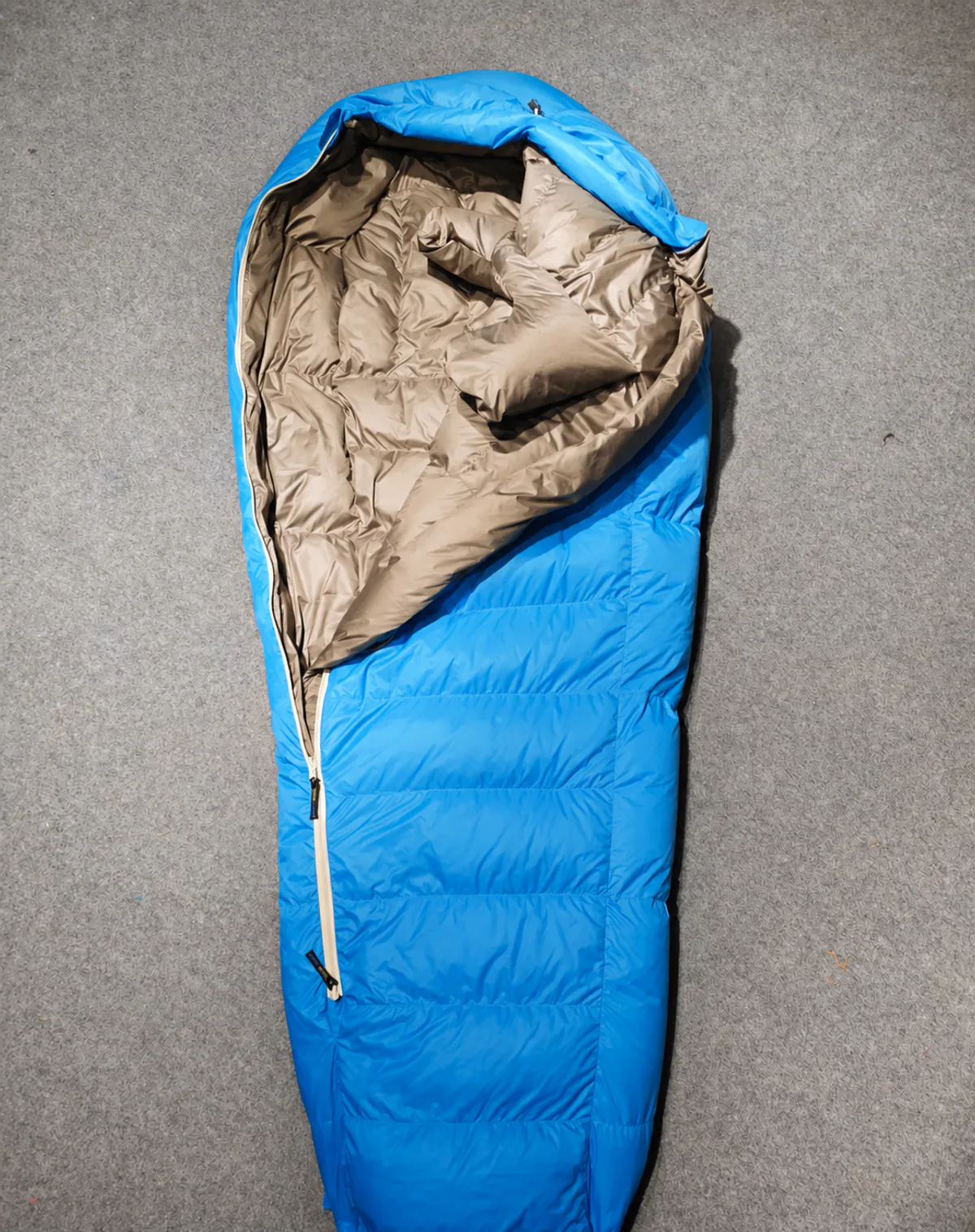
For cold-weather bags, look harder at the hood, draft collar, and draft tube. Those details help keep warm air from escaping around the head, neck, and zipper. If your feet get cold easily, check the shape and insulation in the footbox too. In a down bag, baffles help keep the fill from shifting too far to one side.
I’d also touch the lining if possible—you’re going to sleep against it for hours. With the shell, don’t look at weight alone. Sleeping bags get moved around, stuffed into tents and cars, and rubbed against gear, so durability still matters. If the specs mention DWR, it can help the fabric handle a little dew or surface moisture, but the bag still needs to be kept out of real rain.
Spend More Only Where It Helps
Budget is easier to judge once everything else is settled. A budget sleeping bag can be a little heavier or bulkier as long as the temperature rating and size still work for the trip.
A cheap sleeping bag isn’t automatically a bad choice either. First figure out where the lower price is coming from.
If you’re looking for a budget backpacking sleeping bag, weight and packed size still matter. If a little extra weight is manageable and the price is right, a bag like that can offer very good value. My Best Backpacking Sleeping Bags guide can help you find the right one. If the extra money only gets you lighter fabric or a smaller packed size that you don’t actually need, there’s no reason to keep pushing the budget higher.
An affordable sleeping bag is also easier to trust when the specs are clear and the brand explains warranty or repair support. Lists of good sleeping bag brands and the best sleeping bag brands can help narrow the field, but the actual model still matters more. Lifespan isn’t something you can predict from price alone; how you use and store the bag matters too.
Match Your Sleeping Bag With the Rest of Your Sleep System
Once the sleeping bag is picked out, don’t forget the sleeping pad underneath it. Check the R-value too—the higher the number, the more strongly the pad resists heat moving into the ground. In cold weather, if the pad underneath you doesn’t insulate well enough, even a warm sleeping bag can still leave you feeling cold from below.
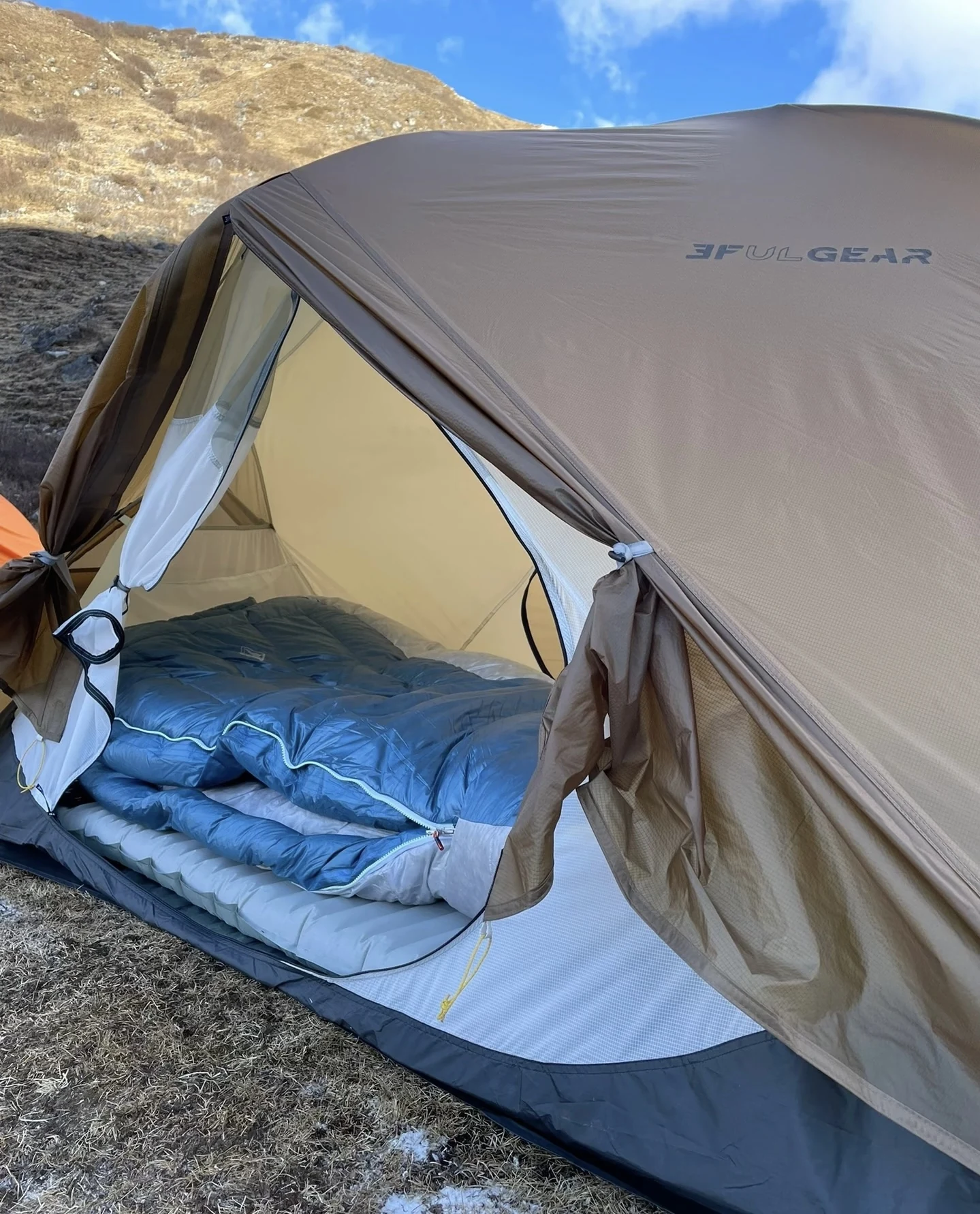
Some sleeping bags work best as part of a system with a pad, so check the brand’s recommendations for pad size and insulation before you buy. What you wear to sleep counts as part of the sleep system too. After a full day outside, changing out of damp clothes and into something dry can make the night much more comfortable. Keep the tent ventilated when it needs it; less condensation also makes it easier to keep the sleeping bag dry.
A sleeping bag liner can make the inside of your bag feel more comfortable while also helping keep the bag itself cleaner. Some liners can also add a little warmth. For more help choosing one, see Best Sleeping Bag Liners of 2026: Picks for Warmth, Travel, and Backpacking. A pillow is simpler—if it helps you sleep comfortably, it’s doing its job.
FAQ: Choosing a Sleeping Bag
What Is a Sleeping Bag, and Do You Need One for Camping?
What is a sleeping bag? Put simply, it’s an insulated sleep system that slows the loss of body heat; it doesn’t generate heat on its own. In warm weather at a stable campsite, a camping quilt can work too. The pad underneath you and the nighttime temperature still need to be part of the decision.
As for do you need a sleeping bag for camping, it depends on the weather and the rest of your setup. When nights are cold, windy, or hard to predict, a properly rated sleeping bag makes things much easier.
Should You Choose a 20°F or 30°F Sleeping Bag?
When comparing a 20°F sleeping bag with a 30°F sleeping bag, first make sure the two numbers refer to the same type of rating. A Lower Limit on one bag and a Comfort rating on the other aren’t directly comparable.
If both numbers are Comfort Ratings, the 20°F bag is designed for lower temperatures. If your expected overnight low isn’t that cold and a 30°F bag already leaves enough margin for you, there’s no need to buy a warmer bag just because the number is lower. If you tend to sleep cold, leave yourself a little more room.
Quick Sleeping Bag Buying Checklist
- You know your main use case and you’ve checked the expected overnight low.
- The Comfort Rating leaves enough warmth margin for the way you sleep.
- The insulation, shape, and size fit the way you’ll use the bag, and you have enough room to move.
- If you’ll carry it, you’ve checked the sleeping bag weight and packed size.
- The zipper and warmth features are enough for your needs, and the price fits the budget.
- Your sleeping pad provides enough insulation, and you’ve counted any accessories that need to be purchased separately.
- Of course, how to wash and clean a sleeping bag is another thing to consider.