How to Clean Carpet at Home: 4 Proven Methods
We may earn a commission from affiliate links to products on this page, at no additional cost to you. Learn more
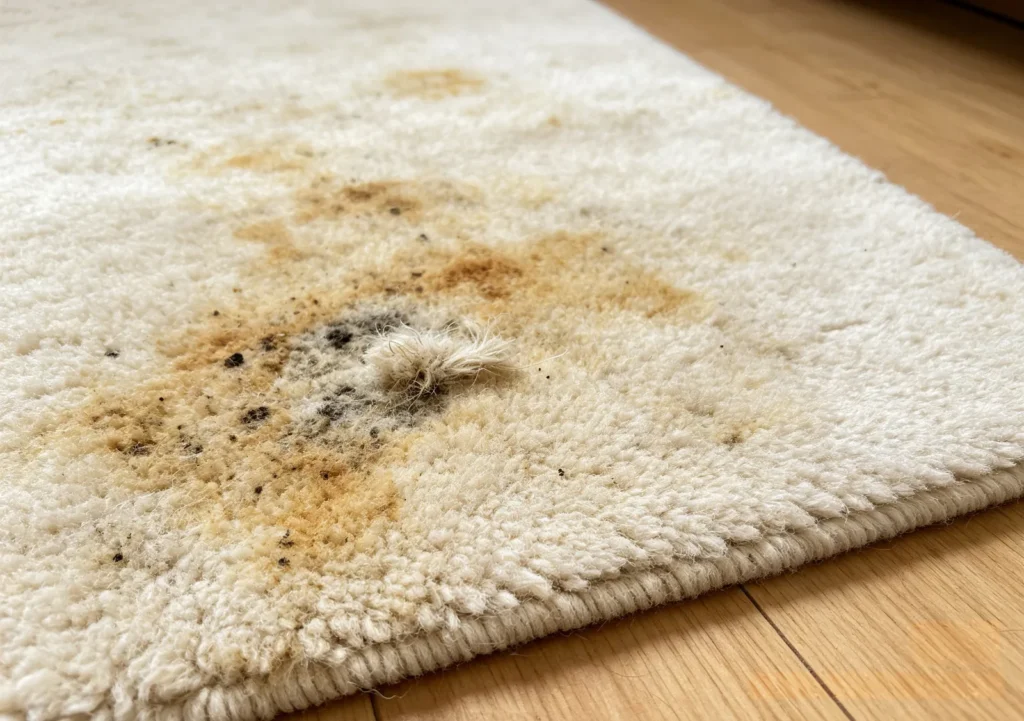
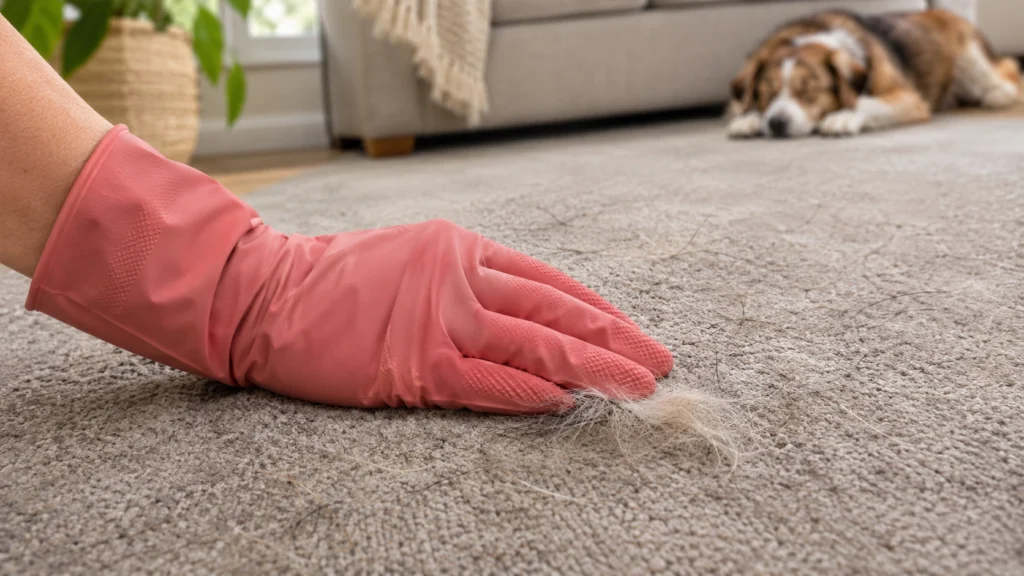
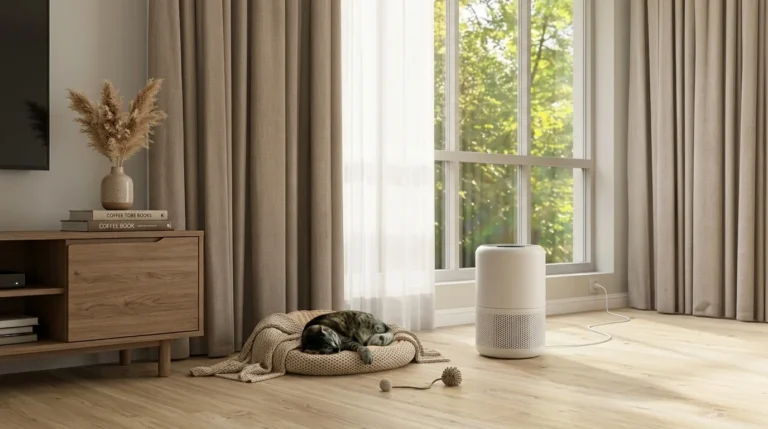
When I opened the door, adorable Ollie was happily playing with my baby on the carpet. I enjoy moments like this… but I also worry about their hygiene.
Even though I clean the carpet every week, who can be sure there isn’t still some of Ollie’s fur on it? Especially underneath the carpet, I find dust and dander every time I clean. How do I clean a carpet to cut down on these problems? Well, looks like I need to be a little more diligent.
To give them a reasonably clean and hygienic environment, I’ve tried many different methods and looked up a lot of articles online about how to clean carpet. Over time, I found that you really can’t rely on just one method to clean carpets. Some dust and hair can be removed with regular cleaning, but some stains just won’t come out with vacuuming alone. Something else I noticed was that the same cleaning method might not be suitable for carpets made from different materials.
Well, there seem to be plenty of methods, but there’s no need to try every single one. I looked back over what I’ve tried and the information I’ve gathered, and eventually put together four practical ways to clean carpet at home. But before we get started, there’s one thing we need to figure out: Which cleaning method is right for your carpet?
Choose the Right Cleaning Method for Your Carpet Type
Before deciding how to clean carpet at home, check your carpet’s care instructions, then use this quick chart to choose a suitable method.
| Carpet Type | Recommended Cleaning Methods | Further Cleaning Options | Important Notes |
|---|---|---|---|
| Synthetic Carpets (Nylon, Polyester, etc.) | Vacuuming and spot cleaning | Hand cleaning or carpet extraction, if permitted | Check cleaner compatibility, colorfastness, carpet backing, and drying requirements. |
| Wool Carpets | Gentle vacuuming and promptly blotting up spills | Wool-safe cleaners; wet cleaning if permitted | Avoid vigorous scrubbing, excessive moisture, and cleaners unsuitable for wool. |
| Jute, Sisal, and Seagrass Rugs | Routine dry cleaning | Low-moisture cleaning if approved by the manufacturer | Moisture may cause water marks, discoloration, or changes in shape. |
| Shag and Loop-Pile Carpets | Vacuuming with a suitable attachment | Choose methods based on fiber type and pile construction | Rotating brush rolls and vigorous scrubbing may pull or snag the fibers. |
| Silk, Viscose, and Delicate Handmade Rugs | Gentle care according to the care instructions | Professional cleaning when necessary | Watch for moisture damage, dye bleeding, and fiber damage. |
| Machine-Washable Area Rugs | Vacuuming and spot cleaning | Machine-wash approved components according to the care label | Check washer capacity, rug pads, water temperature, and drying instructions. |
| Wall-to-Wall Carpeting | Vacuuming and spot cleaning | Carpet extraction cleaning if permitted | Avoid excessive moisture in the backing and underlying carpet pad. |
Now that we know which cleaning methods work for different types of carpet, let’s get started with do it yourself carpet cleaning!
How to Clean Carpet: 4 Practical Methods
Hey, did you know? Most home carpet cleaning doesn’t require a professional, and you don’t even need a carpet shampooer. With everyday supplies like baking soda, white vinegar, carpet cleaner, and a lint roller, you can often get the carpet pretty clean. Of course, if you need to deep-clean your carpet, a home carpet cleaner can make the job easier.
Method 1: How to Clean a Carpet by Hand Without a Vacuum
Common Household Carpets
Common Synthetic Fibers
Tools & Supplies
Cleaning Steps
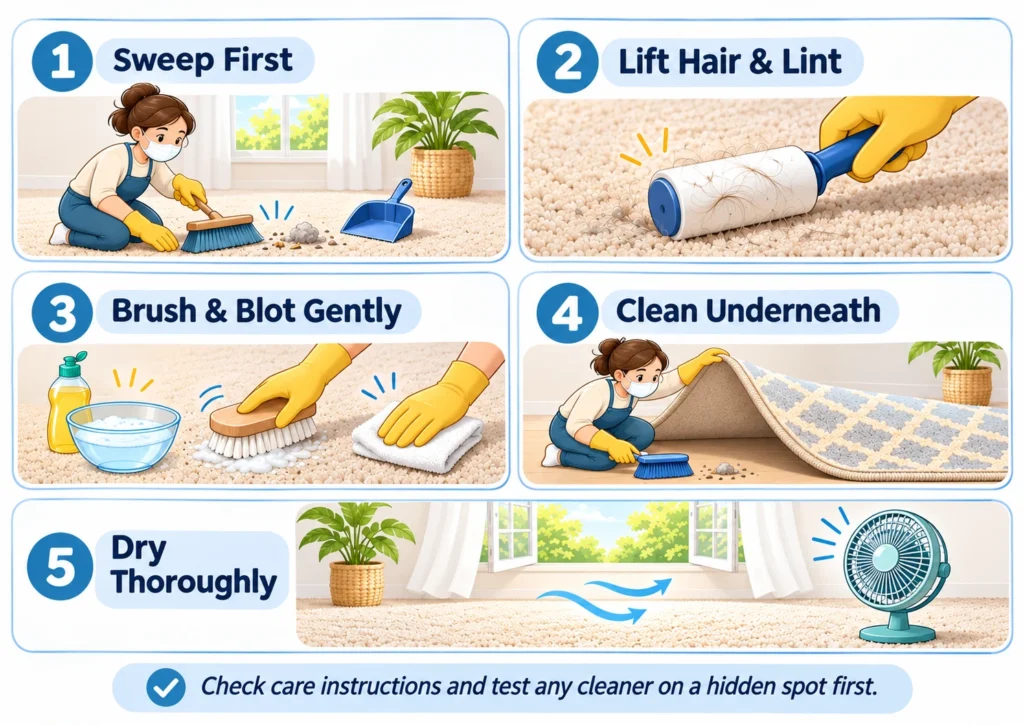
Step 1: Before you start, put on a mask and gloves. Use a broom or carpet brush to sweep the dust and debris into a pile, then collect it with a dustpan. You can also use a manual carpet sweeper. If you have an area rug that’s easy to move, you can take it outside and gently shake or beat it, following its care instructions, to loosen and dislodge some of the dust trapped between the fibers.
Step 2: If you have a lint roller too, use it to pick up hair, lint, and some of the fine dust and dander left behind after sweeping. A lint roller works especially well on pet hair that clings to the carpet fibers and is hard to remove with a broom.
Step 3: To make a simple homemade carpet cleaner, stir ¼ teaspoon of dish soap into 1 cup (about 240 mL) of warm water. Dip a soft-bristled brush into the solution and gently brush in the direction of the carpet pile, then blot up the dirty liquid with a dry cloth or paper towels. Next, use a clean cloth dampened with water to remove any remaining dish soap, and finish by soaking up the moisture with a dry towel.
Step 4: Don’t forget what’s underneath the carpet—dust and dander often build up there. If you have an area rug you can lift, flip it over and sweep the underside, then clean the floor underneath.
Step 5: Finally, open the windows or run a fan to keep the air circulating and let the carpet dry thoroughly.
Tip: Before cleaning, check the carpet’s care instructions to make sure wet cleaning and a soft-bristled brush are suitable. Test the cleaning solution on a small, inconspicuous area first, and use it only if you don’t notice any fading or other problems. Avoid soaking the carpet.
Wool Carpets & Rugs: For basic cleaning, you can refer to the steps above for common household carpets. But because wool needs special care, be gentle when sweeping or using a lint roller to remove hair. Avoid beating the carpet hard or pulling on the wool fibers.
Tip: For Step 3, don’t simply use the dish soap mixture or brushing method from the regular carpet steps. Check the care instructions first and choose a carpet cleaning solution suitable for wool. Gently blot the area with a clean white cloth, then remove any residue and blot up the moisture. Avoid hot water and getting the carpet too wet. Professional cleaning is recommended for valuable or delicate handmade wool carpets and rugs.
Natural Plant-Fiber Rugs
Cleaning Steps
Step 1: Use a soft-bristled broom or brush to gently sweep along the weave, removing surface dust and debris. Use a lint roller to gently pick up any remaining hair and lint.
Step 2: First, remove any food debris with a spoon, and promptly blot up liquid spills with a clean white cloth. For any remaining stains, you can follow the care instructions and use a stain remover suitable for natural plant fibers to spot-clean the area, then remove any residue.
Step 3: If the rug is easy to lift, turn it over and sweep the underside, then clean the floor underneath.
Step 4: Finally, open the windows or use a fan to keep the air circulating and let the rug dry thoroughly.
Tip: Jute, sisal, and seagrass rugs are particularly sensitive to moisture. Don’t apply the dish soap and wet-brushing method for regular carpets directly to these rugs. Check the care instructions first, use a cleaner only if it’s permitted, and test it on a hidden area. Be gentle with the lint roller, too, to avoid pulling on the fibers.
Shag & Loop-Pile Carpets: You can use the hand-sweeping methods described above for both types of carpet, but be a little gentler. Hair and debris can easily get trapped deep in shag carpet fibers, so gently part the pile with your hands and remove any visible debris. For loop-pile carpets, use a soft tool to gently sweep the surface without snagging the loops.
Tip: Don’t roll a lint roller back and forth too hard. The adhesive can stick to long pile, while loop-pile carpets may snag and develop loose threads. If you spill a liquid, first blot it up with a clean, absorbent cloth. Don’t scrub back and forth with a brush. Also, shag and loop pile describe the carpet’s construction, so if you plan to wet-clean either type, follow its specific care instructions.
Silk, Viscose & Delicate Handmade Rugs: You can’t sweep these rugs the same way you would a regular carpet. If there’s debris on the surface, pick it up by hand first, then gently remove surface dust with a soft, dry cloth. If you accidentally spill a liquid, quickly blot it with a clean white absorbent cloth to soak up as much moisture as possible.
Tip: Viscose can easily develop water marks when it gets wet, and the pile may also become distorted. Silk doesn’t hold up well to repeated rubbing, either. Don’t just reach for dish soap, white vinegar, or a homemade cleaning solution, and don’t repeatedly scrub with a soft-bristled brush. If a stain has already soaked into the fibers, don’t keep scrubbing with water, as that could spread the stain.
Method 2: Use a Vacuum Cleaner for Everyday Cleaning
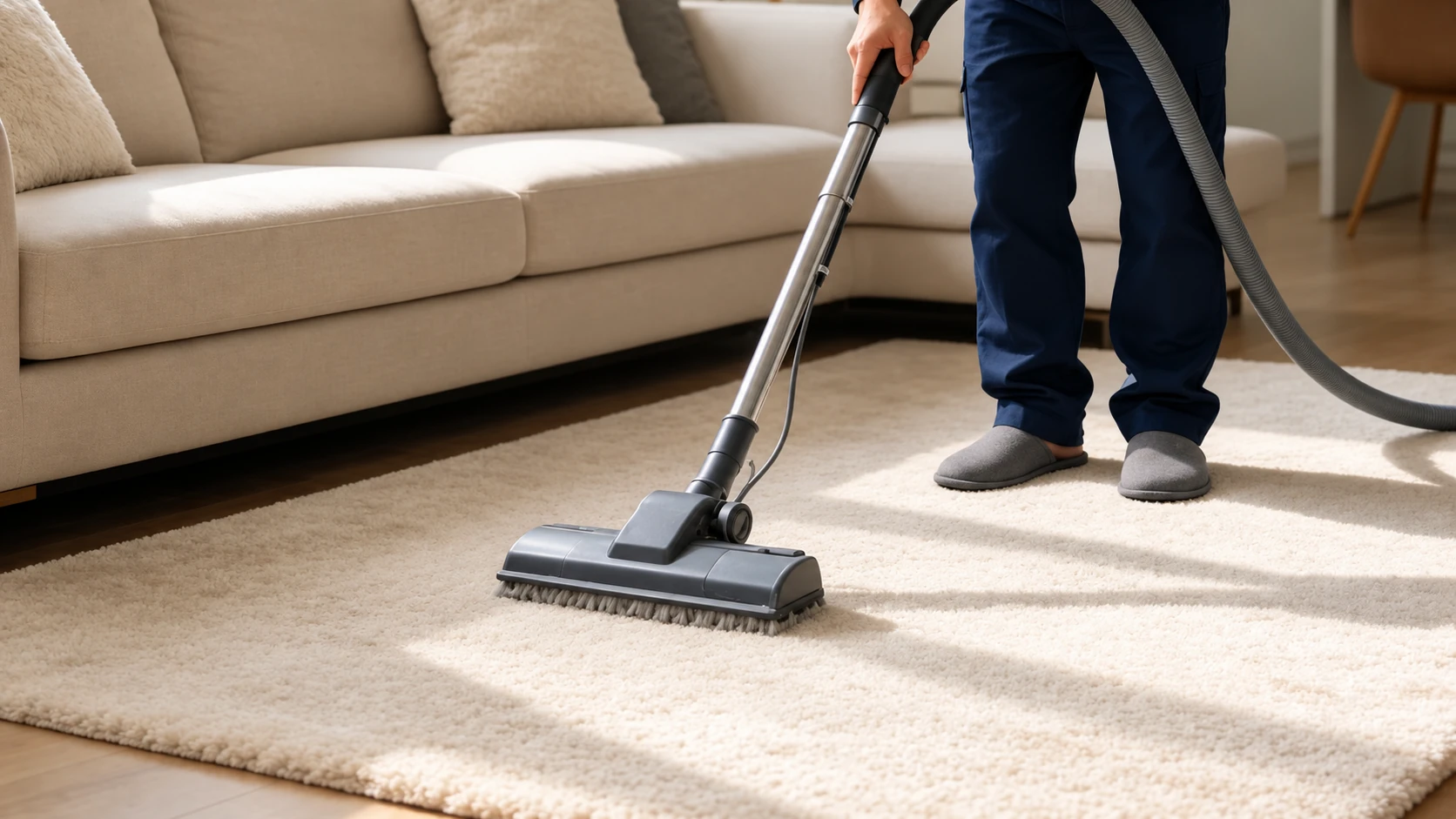
Carpets put up with a lot every day—family members walking back and forth, pet hair, dust and dirt building up, and the occasional spilled drink or pet vomit. But cleaning them by hand every day? Oh my gosh, that’s exhausting. Well, a vacuum that’s easy to use can make everyday cleaning a lot easier. Still, how you vacuum may vary depending on the carpet’s material and construction.
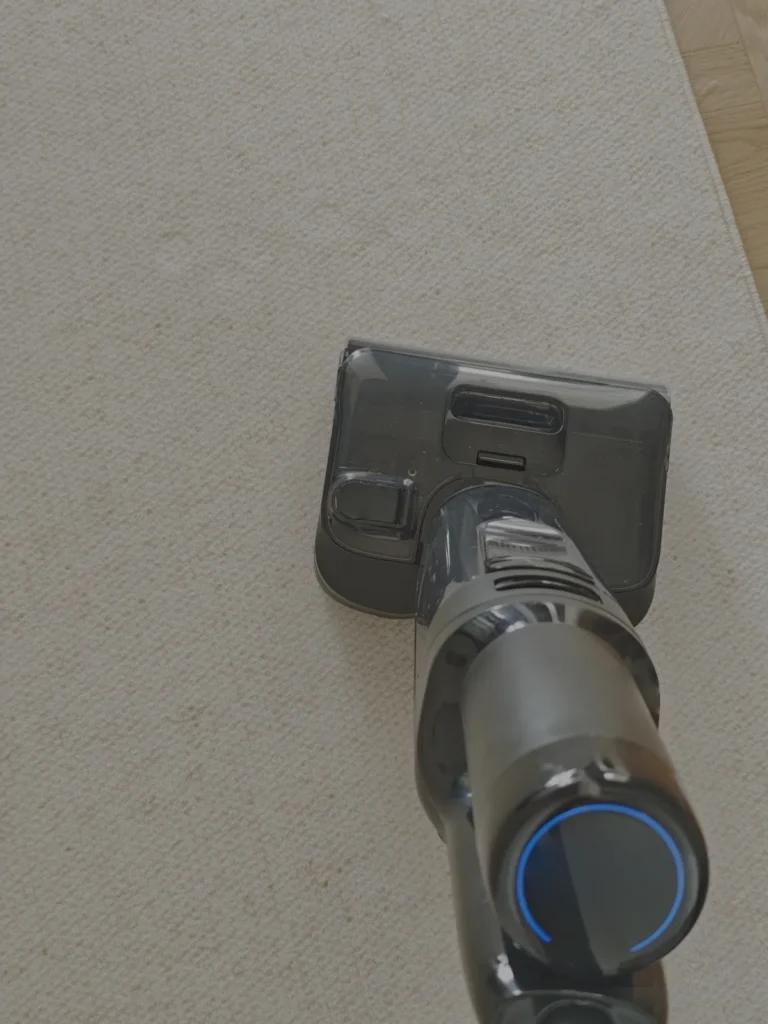
Tip: Vacuuming takes care of everyday cleaning. If stains remain and you need to clean the carpet further by hand, that’s when you should refer back to Method 1.
Method 3: How to Wash a Carpet at Home with Less Effort
I’ve noticed that the dirtiest rug in my home is probably the runner in my kitchen. The good news is that I can wash mine with water, and it can go in the washing machine, too. How about yours? If it’s machine-washable, let the washing machine do some of the work for us. It can also wash other small rugs in your rooms, as long as they’re machine-washable.
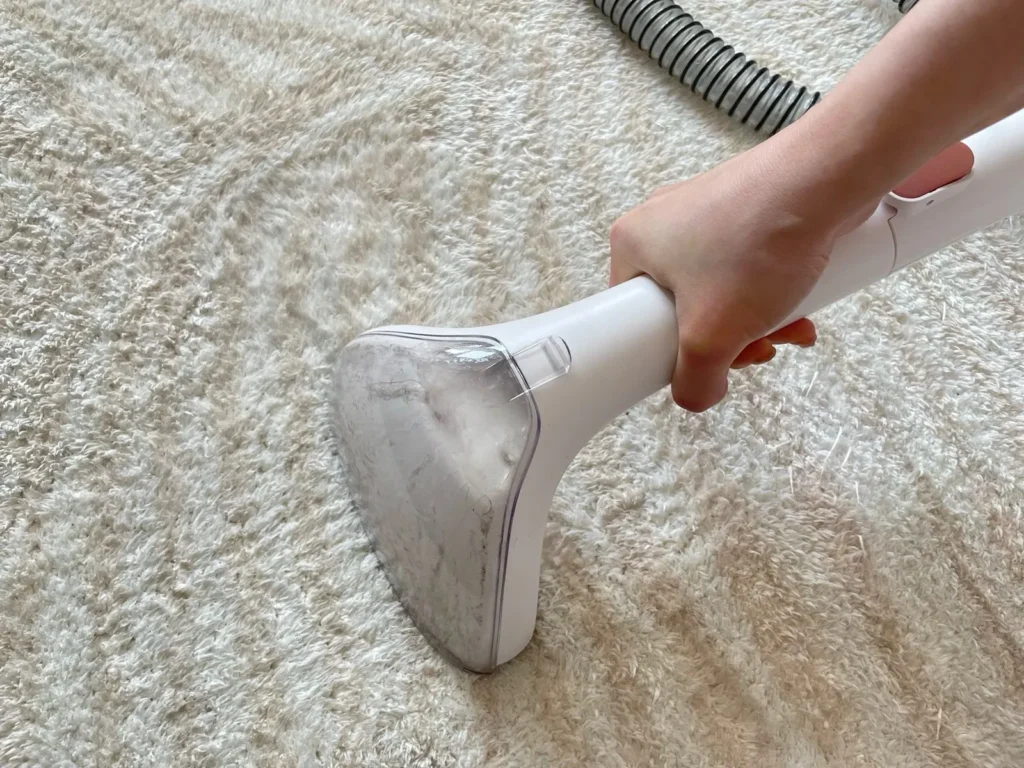
For living room carpets or carpets covering larger areas, a carpet cleaning machine is, of course, the easier option. But first, check your carpet’s care instructions to make sure this type of equipment is allowed.
To clean an entire living room carpet, consider an upright carpet cleaner with rotating brushes and dirty-water extraction. It can scrub away dirt, extract dirty water, and help shorten drying time. These machines usually cost a little more, though. For easier, more convenient everyday cleaning, I’d choose a lightweight upright carpet cleaner or a portable spot carpet cleaner. They also offer some useful scrubbing and dirty-water extraction features at relatively affordable prices. I think they strike a pretty good balance between features and price.
Before using a carpet cleaning machine, vacuum up loose dirt and hair. Follow the machine’s instructions for the cleaning solution and use suction-only passes as directed to remove excess moisture.
Tip: Carpets and rugs made from natural fibers or delicate materials, such as wool, silk, and jute, can be sensitive to moisture and temperature. I wouldn’t recommend using a standard carpet-cleaning machine without first confirming it’s suitable, especially models that spray water for wet cleaning or use steam.
Method 4: How to Handle Common Carpet Stains
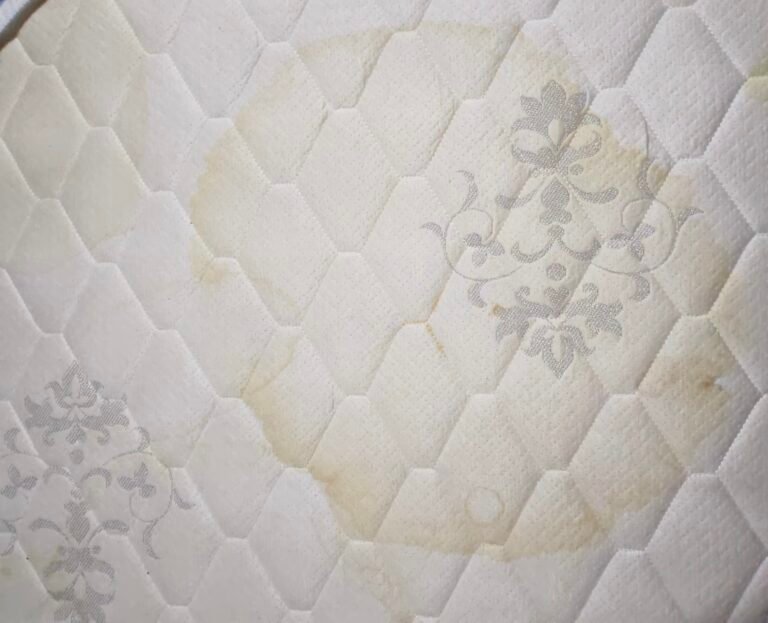
Being a little more diligent about routine carpet cleaning can help keep your carpet looking good and extend its lifespan. What’s really frustrating, though, is all the different stains that end up on carpets—red wine, coffee, juice, vomit, and grease stains on kitchen rugs. The key to removing these stains is to identify the type of stain first, then choose the right cleaning method.
Here are some DIY methods for removing common carpet stains:
Liquid Stains
DIY Cleaning Methods: If a liquid spills on the carpet, immediately blot it with paper towels or a clean, absorbent cloth to quickly soak up the liquid.
Red wine: Sprinkle on some table salt to help absorb any remaining wine. Let it sit for 30 minutes, then remove the salt and gently wipe the area with a slightly damp microfiber cloth.
coffee: Wipe the stain with a diluted dish soap solution, then use a clean cloth dampened with water to remove any residue.
juice: Mix white vinegar and warm water in a 1:4 ratio. Dip a microfiber cloth into a small amount of the solution and gently wipe the stained area.
Finally, keep the area well ventilated and let the carpet dry thoroughly.
Food Stains
Chocolate: Scrape off the chocolate on the surface with a spoon or card. Mix 1 teaspoon of pH-neutral dish soap, 1 teaspoon of white vinegar, and about 1 liter of warm water until well combined. Dip a clean microfiber cloth into the solution and blot from the outer edges of the stain toward the center to prevent it from spreading. Then use a wrung-out microfiber cloth to blot away any residue.
Tomato sauce: First, blot up the sauce on the surface with paper towels. If there’s a thick layer, gently scrape it off with a spoon. Then gently wipe the stain with a sponge dipped in cold water. Finally, blot up the moisture with paper towels, keep the area well ventilated, and let the carpet dry thoroughly.
Food scraps: Some food stains contain protein, so it’s best to use cold water for the initial cleanup. Hot water can make these stains harder to remove.
DIY Cleaning Methods: When you notice a grease or oil stain on your carpet, the key is to act quickly. One option is to press paper towels onto the stain to absorb the surface oil. Don’t rub back and forth, as this can spread the stain or push the oil deeper into the carpet fibers. Another option is to sprinkle a fairly thick layer of baking soda or cornstarch over the stain, covering it completely. Let it sit for at least 30 minutes to absorb the oil, then vacuum up the powder.
If any oil stains remain, you can clean them with a dish soap solution diluted with warm water. For the mixing ratio and cleaning steps, refer to Method 1.
Pet Stains
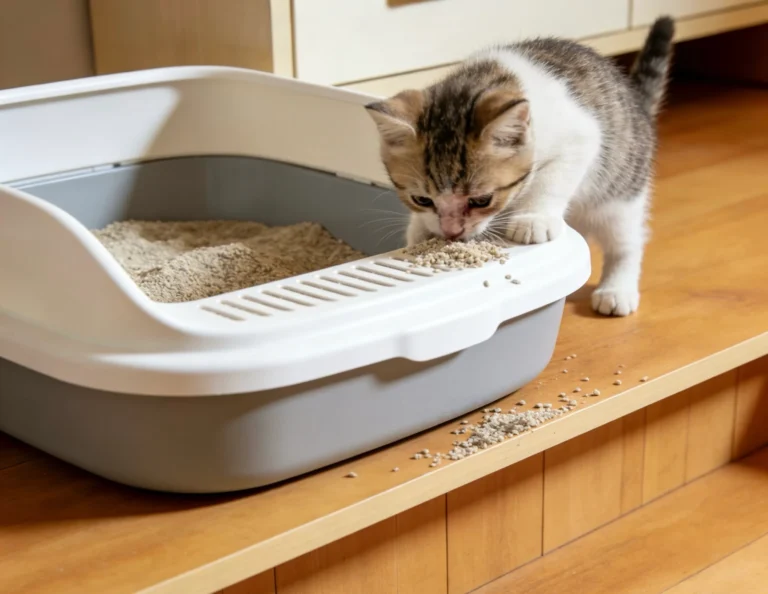
DIY Cleaning Methods: When you find pet urine or feces stains on your carpet, the key is to clean them up quickly. For urine, press firmly with plenty of paper towels or a clean, absorbent towel to soak up as much liquid as possible. For feces, first remove the solid waste with a card, then blot up any remaining liquid. Don’t rub back and forth, as this can spread the stain.
Next, dampen a clean towel with a little cold water and repeatedly blot the stained area, then soak up the moisture with a dry towel. Once the carpet surface is dry, you can sprinkle a layer of baking soda over the area to help reduce odors. Let it sit for about 1–2 hours, then vacuum it up thoroughly.
Tip: When cleaning up pet urine or feces stains, it’s best to wear disposable gloves and wash your hands afterward. If odors still linger after using baking soda, consider using a pet-specific enzymatic cleaner that’s safe for your carpet material.
Vomit Stains
DIY Cleaning Methods: If you find vomit on the carpet, put on gloves first and use a stiff card to remove it, working from the outer edges toward the center. Then repeatedly press down with plenty of paper towels, replacing them as needed until they no longer absorb any noticeable moisture. Don’t rub back and forth.
Next, use a carpet-safe enzymatic cleaner to treat any remaining stains, then wipe away the residue with a microfiber cloth dampened with cold water. Once the carpet is completely dry, sprinkle a layer of baking soda over the area to help remove odors. Ideally, leave it overnight, then vacuum up the baking soda thoroughly the next day.
Tip: These DIY methods may not be suitable for every type of carpet. Before cleaning, check your carpet’s care instructions for any restrictions on the cleaning method. When using a cleaning solution, it’s best to test it on a small, inconspicuous area first. Let the area dry, then make sure there’s no fading, water marks, or damage to the carpet pile before continuing.
For more detailed DIY methods for removing carpet stains, read the following articles: