How to Clean Shower Tiles: Pro Cleaning Methods That Really Work
We may earn a commission from affiliate links to products on this page, at no additional cost to you. Learn more
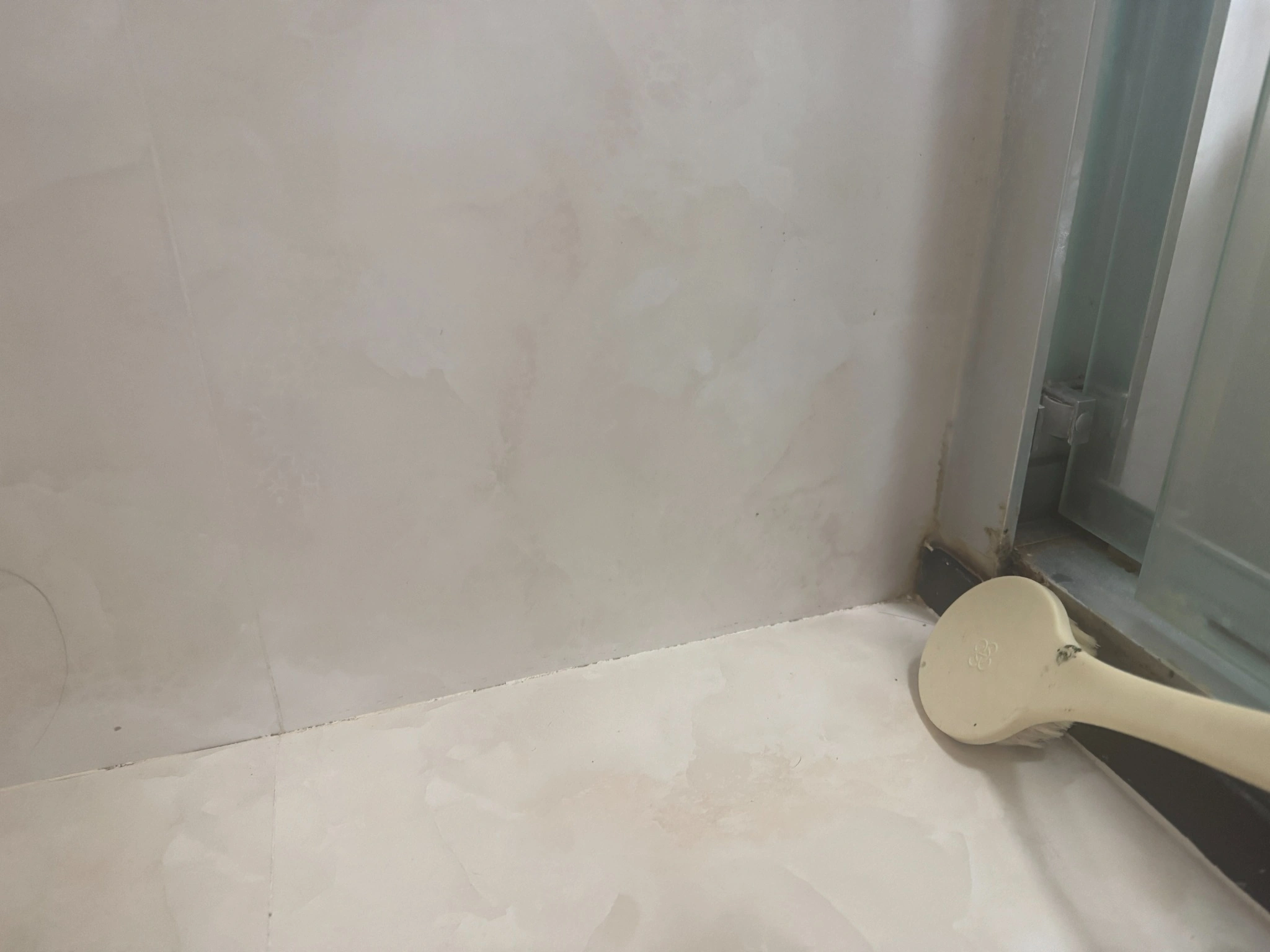
Why does a shower still look dirty even though it gets rinsed with water every day? The main reason is that showering leaves behind body oils, soap scum, and residue from shampoos and body-care products, along with ordinary water spots and mineral deposits from hard water. Over time, these materials gradually cling to wall and floor tiles, forming a layer of grime you can see or feel, while damp corners and grout lines may also develop mold spots.
So, how to clean shower tiles depends on more than one cleaning method. Start by looking at whether you’re dealing with soap scum, hard water buildup, or ordinary grime, and also pay attention to the type of tile you have. Ceramic and porcelain tiles are usually easier to deal with, and a mild, pH-neutral cleaner is a good place to start for routine cleaning. If you plan to use vinegar, citric acid, or another acidic descaler, check the manufacturer’s care instructions first. Natural stone needs more caution. Materials such as marble and travertine can be etched or lose their finish if you use common acidic cleaning methods without checking first.
The best way to clean shower tiles is to identify the type of buildup first, confirm the tile material, and then choose the right cleaner and tools. This makes shower tile cleaning much easier and helps you avoid unnecessary mistakes.
Before Cleaning: Confirm the Tile Material and Type of Grime
What Kind of Tile Do You Have?
So, how do you clean tile in a shower without damaging the surface? First, figure out what kind of tile you have. If you still have the renovation material list or order records, check them. Confirm the wall tile and floor tile separately as well, because the two areas may not use the same material.
Common shower tiles and surface finishes generally fall into the following situations:
|
Tile or Surface Type |
What to Know |
|---|---|
|
Ceramic Tile and Porcelain Tile |
These are two very common choices in showers. Glazed, polished, matte, and soft-matte finishes can all appear on either type, so do not judge the material only by whether the surface looks shiny. When it comes to how to clean ceramic tile shower surfaces and how to clean porcelain tile shower surfaces, the basic steps are broadly similar; the main differences come down to the specific finish and the manufacturer’s care instructions. |
|
Matte, soft-matte, antique-look, or strongly textured tile |
These terms mainly describe the surface finish. The more pronounced the texture, the more easily soap scum and dirt collect in the grooves, so pay extra attention to those areas when cleaning. |
|
Natural stone |
Common examples include marble, travertine, and limestone. This category needs to be identified separately because it is not the same as ordinary ceramic or porcelain tile, and there are more limitations when choosing cleaners. |
|
Tile with an uncertain material, a special surface coating, or existing damage |
Do not rush to ask what the strongest cleaner is; start with a more conservative approach and decide what to use after confirming the actual material. |
Then Identify the Type of Grime on the Tile
After confirming the material, look at where and how the tile is dirty. A shower often has several types of buildup layered together rather than just one kind of grime.
|
Grime or Surface Condition |
Common Signs and What They Mean |
|---|---|
|
Soap scum and personal-care residue |
often form a grayish-white, slightly sticky film, especially on the lower half of the wall, around soap dishes, and in areas that are frequently hit by water. Body oils can also be mixed in, so the surface may feel not just water-spotted but slightly tacky or rough. |
|
Hard-water mineral deposits |
usually look more like white dots, rings, or a hardened white layer. They often become more visible after the surface dries, which is why many showers look clean right after washing but show white marks again a little later. |
|
Ordinary dirt on shower floor tile |
often includes hair, dust, product residue, and fine particles tracked in on feet or footwear, with non-slip texture and the area around the drain collecting the most debris. |
|
Black spots, pink film, or a musty smell in grout lines and corners |
should make you consider long-term moisture as well. But do not assume every black or pink mark is mold; sometimes it is simply buildup or another surface residue, so look carefully before treating it. |
|
If certain areas still look permanently white or dull after cleaning, or if the grout is powdering or cracking, |
the problem may no longer be ordinary dirt. At that point, stop rather than continuing to scrub with stronger cleaners. |
Tools and Cleaning Supplies You Need
What should you use to clean shower tiles? You do not need many basic tools:
Essentials
- Narrow grout brush
- Melamine sponge
- Microfiber cloth
- Silicone squeegee
- Cleaning gloves
- A neutral cleaner suitable for tile or a mild dish soap
- Spray bottle
Optional
- Electric spin scrubber
- Targeted cleaning products: soap-scum cleaner, hard-water scale remover, and mold remover
- Baking soda
- White vinegar
- Citric acid
How to Clean Shower Tiles Step by Step
For routine cleaning, the best way to clean shower tile is to start with gentle methods and leave stubborn buildup for more targeted treatment. Before you begin, make sure the cleaner and tools are suitable for the tile in your home; when using something for the first time, test a small, inconspicuous area.
1: Remove shower products, clear away hair and debris, and ventilate the shower area.
2: Pre-wet the surface
For routine cleaning, you can first wet the wall and floor with water to carry away some loose residue;
Tip: Some ready-to-use sprays, mold-removal gels, and similar products require a dry surface, and wetting the area first may dilute them.
3: I first go over the surface with a melamine sponge to remove the dirt that comes off easily.
A lot of everyday grime is already gone at this point; for any stains that are still visible, I continue with a cleaner.
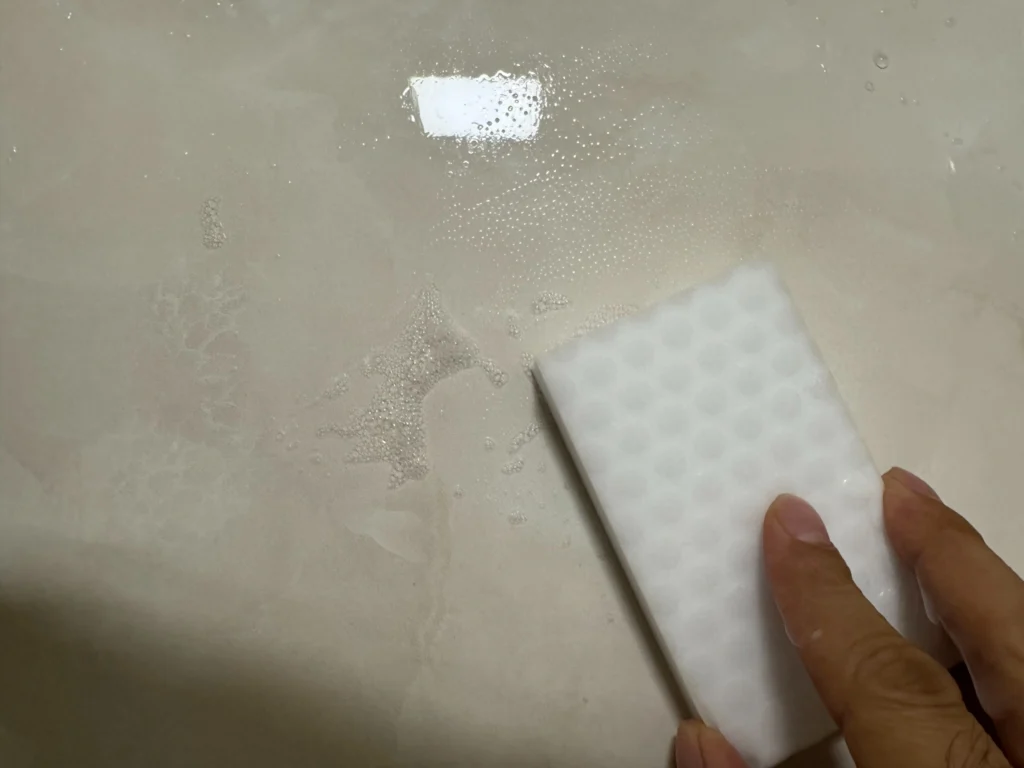
4: Mix an appropriate amount of neutral cleaner with water in a spray bottle, spray it evenly on the wall and floor, and watch for a slippery floor.
5: Use a melamine sponge to clean the wall from top to bottom.
Dirty water runs downward, so when cleaning shower wall tiles, my suggestion is to work from top to bottom and then clean the floor tile. Use a grout brush for the joints.
6: Rinse away the cleaner and dirty water
Rinse the walls, grout lines, wall-floor edges, and the area around the drain thoroughly. The absence of visible foam does not necessarily mean there is no residue; if the surface still feels sticky or slippery, rinse again with clean water.
7: Use a silicone squeegee to remove water, then dry with a microfiber cloth.
If your shower glass needs cleaning too, see my guide on how to clean shower glass for dealing with water spots and soap scum.
Stubborn Stains: How to Clean Stained Bathroom Tiles
Anything left after the first cleaning is considered a stubborn stain.
Sticky Soap Scum and Oily Film: Remove the Built-Up Layer First
How to remove soap scum from shower tiles is also simple: I usually rinse with hot water first and then clean it again using the method above.
As for how to clean years of soap scum off tile, I recommend using a cleaner made specifically for soap scum and oily film, then wiping with a melamine sponge.
Stubborn White Hard-Water Scale
White scale in the shower is similar to the white water spots commonly found on kitchen sinks, and both are usually caused by mineral deposits from hard water. If you want to remove water spots from your stainless steel sink, see our guide, How to Clean a Stainless Steel Sink and Restore the Shine.
When you’re figuring out how to clean shower tile with stubborn hard-water scale, first check whether the surface is ceramic, porcelain, or natural stone.
For ordinary ceramic tile, white vinegar can be mixed 1:1 with water and sprayed on the surface, left for 10 minutes, and then cleaned directly with a melamine sponge; for more stubborn water marks, I use citric acid and leave it for 10 minutes before cleaning. If that does not work well, a dedicated descaling product usually works better.
Use white vinegar and citric acid cautiously or not at all on natural-stone tile because they can damage the surface. A reasonably priced cleaner is more cost-effective than replacing the tile.
Mold Spots
For light mold spots, if the tile material allows it, I recommend spraying a 1:1 mix of white vinegar and water on the surface, wiping once, and waiting a little longer before treating it again if the result is not good enough.
For heavier mold staining, I usually use a dedicated mold and mildew stain remover.
Tip: Some people also use chlorine bleach products. Wear gloves, keep the area ventilated, and do not mix them with white vinegar, acidic cleaners, or other incompatible products.
How to Clean Shower Tiles More Easily
How to clean shower tiles without scrubbing? Light soap scum can often be removed with a few wipes using a melamine sponge or cloth, but older hard-water scale and grime in textured surfaces still need brushing.
Let the cleaner sit on the surface for a while to soften the buildup before cleaning; it will take much less effort.
Electric Spin Scrubber: Better for Large Areas and Less Manual Scrubbing
If the wall area is large or the floor tile has non-slip texture and you have to squat and scrub for a long time every time, consider an electric spin scrubber.
A long handle means less bending, and the brush head can reach corners and floor areas that are harder to access.
Steam Cleaner: Useful for Assisting with Grout and Narrow Gaps
If you are considering a steam cleaner for shower use, first make sure both the machine instructions and the material’s heat tolerance allow it.
For a steam cleaner for shower tile, the main question is whether the tile surface can take the heat; for a steam cleaner for shower grout, also check whether the grout, sealant layer, or caulk is cracked or powdering.
Models with a hose, detail nozzle, and nylon brush are much easier to use on walls and narrow joints.
How to Clean Shower Floor Tile
Shower floor tile traps more dirt than wall tile, especially in non-slip texture, under bottles that sit in one place for a long time, and around the drain.
For how to clean shower floor tile, first confirm the floor-tile material because the wall and floor may not use the same type of tile.

The best way to clean a shower tile floor is still to soften the surface buildup first, then clean the tile face with a melamine sponge and use a grout brush on textured areas and corners that are hard to reach.
If the floor still feels slippery after cleaning, there is probably residue from cleaner, conditioner, or body oils, so rinse it again with slightly warmer water.
If the floor grout only has ordinary buildup, you can give it a quick pass with the grout brush.
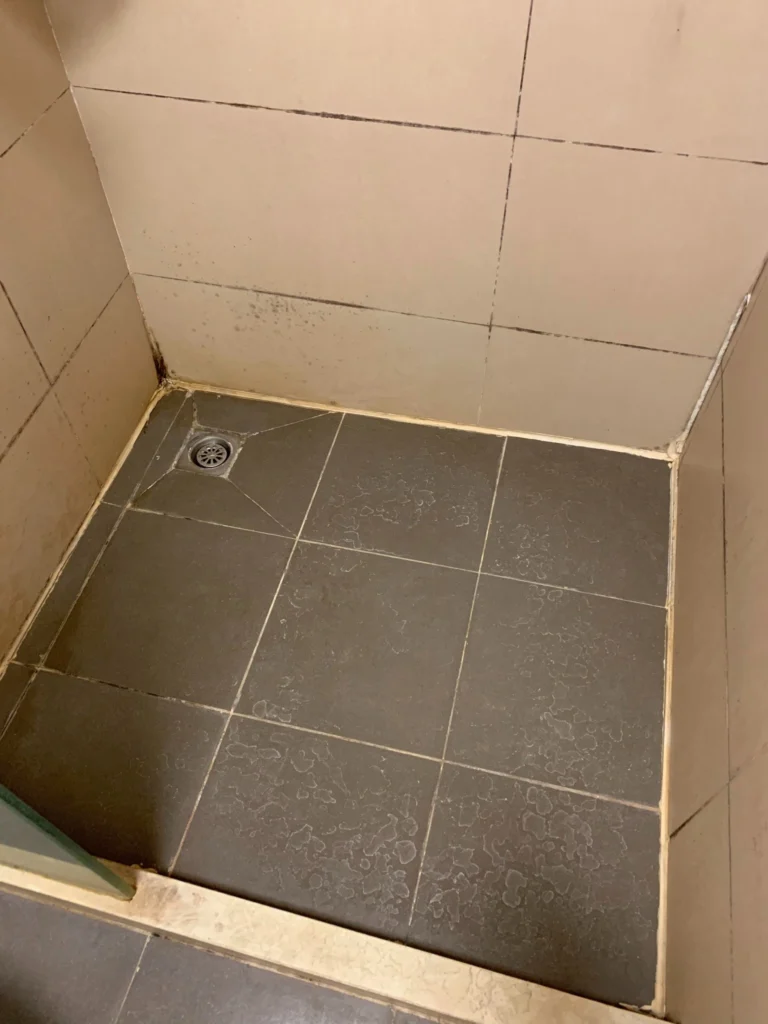
How to Clean Shower Grout Without Damaging It
Not every joint in a shower is the same material.
The spaces between tiles are usually filled with grout, while corners, shower-pan edges, and similar areas commonly use silicone caulk.
Identify which one you are dealing with before cleaning: grout can be brushed, but aging caulk should not be scrubbed back and forth over and over.
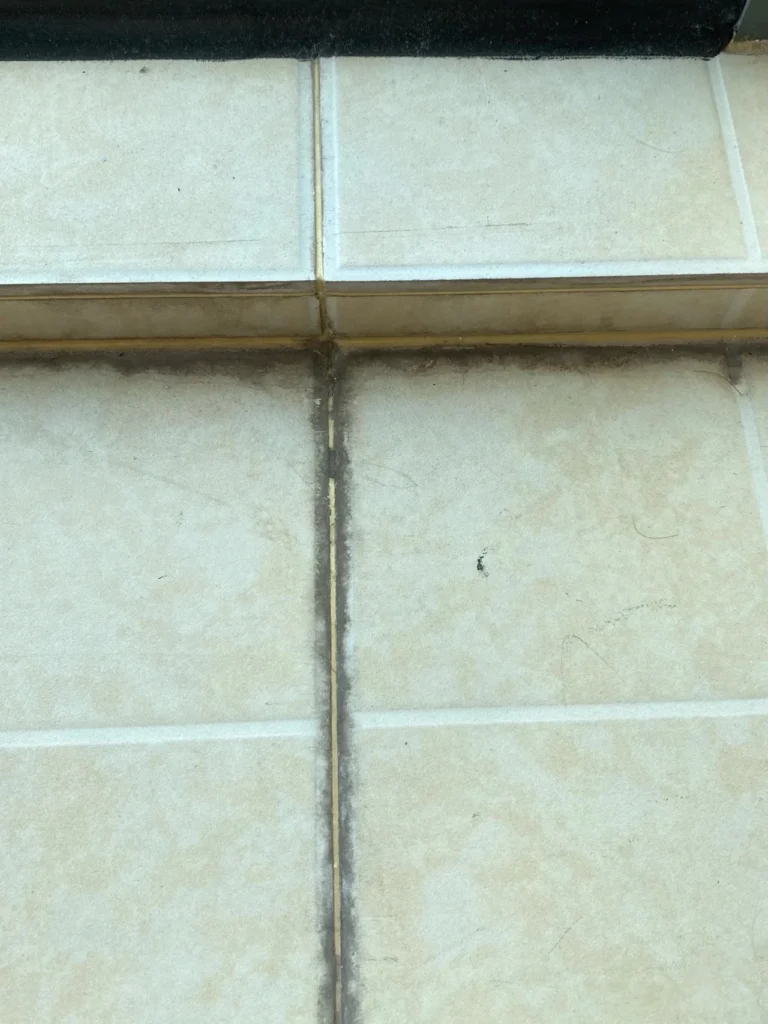
Light Darkening: Start with a Narrow Brush and a Suitable Cleaner
If the grout is only slightly dark, spray on a cleaner suitable for grout, scrub back and forth a few times with a grout brush, and rinse with clean water.
Pay attention to the grout itself while brushing. If it starts to powder, develops gaps, or was already cracked, stop brushing.
At that point the issue is not that it is still dirty; the grout itself has aged.
Baking Soda and Hydrogen Peroxide: For Localized Grout Marks That Suit This Method
If a few black marks remain in the grout after ordinary cleaner and brushing, you can try baking soda and regular 3% hydrogen peroxide on those spots.
Mix a small amount of baking soda with a little hydrogen peroxide into a spreadable paste, apply it to the dark area, let it sit for a while, scrub gently with a grout brush, and finally rinse with clean water.
For the first use, test it in an inconspicuous area. Do not apply it broadly around colored grout, natural-stone edges, or polished tile without testing first. Do not add white vinegar, chlorine bleach, or other cleaners to the mixture.
If the Same Area Keeps Turning Black: Check the Caulk and Moisture
If the same spot keeps turning black, first check whether water is always pooling there. If the caulk is already cracked or lifting, simply wiping the surface clean will not help much, and the black discoloration will soon return.
Replace caulk that has already aged. If the corner or grout stays wet all the time, or if you suspect water is seeping behind the surface, find the source of the leak first.
The same applies to hard grout: if it is loose, powdering, or cracked, do not keep adding stronger cleaner; repair it or redo it as needed.
What Not to Use Carelessly on Shower Tile
- Do not use steel wool, metal wire brushes, or very coarse scrub pads to grind away hard-water scale.
- Check the product instructions before using toilet-bowl cleaner to make sure it is suitable for tile.
- Choose cleaning products that are suitable for the tile material.
- Natural stone especially should be kept away from unsuitable acidic methods.
- Do not mix chlorine bleach with white vinegar, acidic toilet-bowl cleaners, ammonia, or other cleaning products.
How Often Should You Clean Shower Tiles?
I recommend a simple cleaning once a week and a more thorough cleaning about every two months, including the grout and hard-water scale.
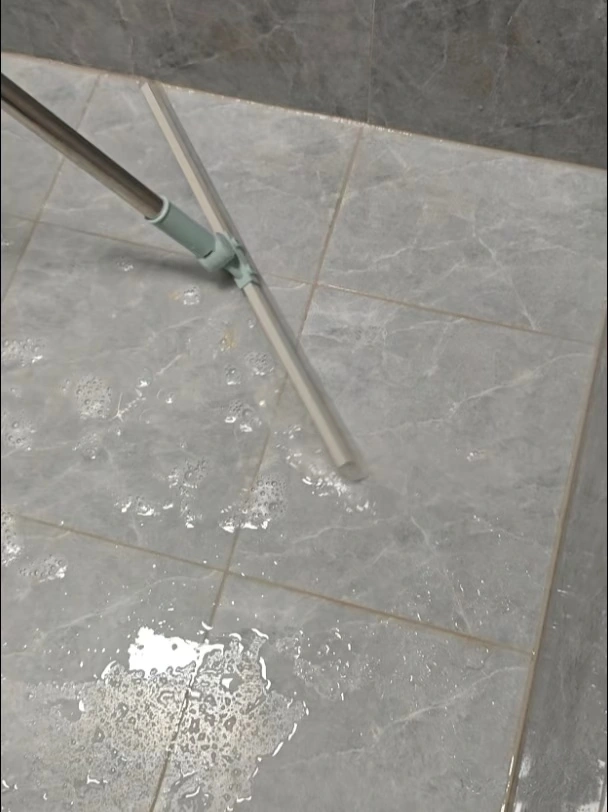
After each shower, use a squeegee to remove water from the walls, clear any standing water on the floor, and run the exhaust fan for a while so the shower dries faster; that will reduce the buildup of scale, soap scum, and mold spots later
Check the walls, grout, corners, and the area around the drain once a week and clean any residue you see.
If mold spots keep returning, pay particular attention to aging grout or caulk and to whether water often pools on the floor; if the same wall area repeatedly develops mold, also check for leaks or seepage.
Frequently Asked Questions
How to Clean Bathroom Tiles Naturally?
For light everyday stains, mild dish soap and water are enough.
White vinegar and citric acid are also common household methods, but check the tile material first; do not use acidic cleaning methods on natural stone.
What Is the Best Cleaner for Shower Tile and Grout?
For routine cleaning, a mild product that is suitable for both the tile surface and grout is enough.
When you actually run into soap scum, hard-water scale, or mold spots, switch to a cleaner designed for that problem; there is no need to start with an overly strong product.
Can You Really Clean It Without Scrubbing at All?
Light residue may come off with a few wipes, but thick hard-water scale, textured surfaces, and older grout usually still need brushing.
Softening the buildup first makes the work much easier.
Can Steam Disinfect All Tile and Grout?
A steam cleaner can help remove dirt from tile and grout, but whether it actually achieves disinfection depends on the specific machine and how it is used.
In this article, it is treated mainly as a cleaning tool.
How to Clean a Shower Professionally?
First identify the tile material, then determine whether you are dealing with soap scum, hard-water scale, mold spots, or ordinary dirt, and use the appropriate method.
You do not need many tools; clean the areas that need cleaning and know which products should not be used carelessly.