How to Clean a Mattress at Home: Step-by-Step Guide
We may earn a commission from affiliate links to products on this page, at no additional cost to you. Learn more
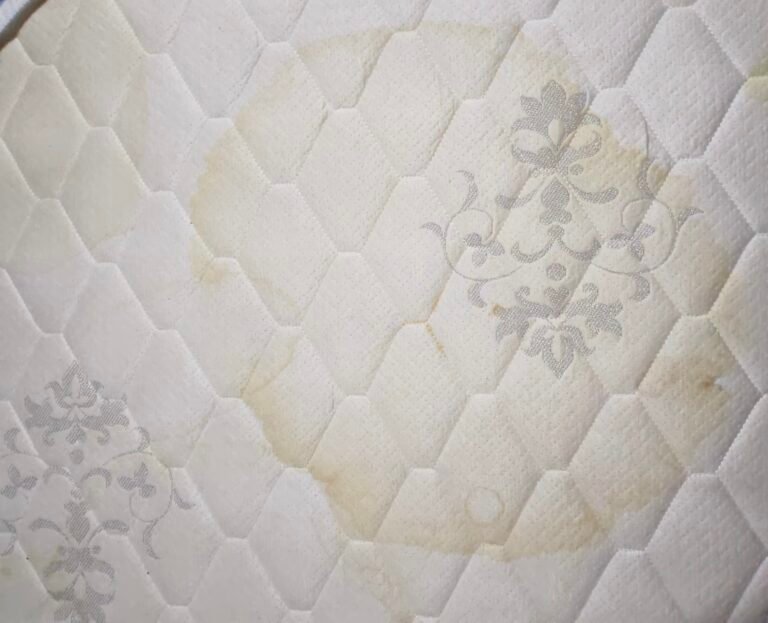
I’d rather not show you these images—they look pretty gross.

Yes, this is the mattress we sleep on every night.
A mattress doesn’t have to have obvious yellow stains, urine, or blood on it to be dirty. Under the sheets, along the seams, and in the spots we rarely look at, dead skin, dust, and dust-mite debris can slowly build up over time. If the mattress stays damp and never dries completely, mold can become a problem too. You may not see any of it, but it can slowly turn the place you sleep into its own little ecosystem.
So if you’re wondering how to clean a mattress at home, it really isn’t as simple as wiping off visible stains with a damp cloth.
If you’re only dealing with ordinary dust, the best way to clean a mattress is pretty simple: brush away loose dust or give the surface a good vacuum. What takes a little more time is when you deep clean a mattress every so often, tackling yellowing, dust-mite debris, seams, edges, and the small marks that are easy to overlook.
Before you reach for a cleaner, though, don’t rush into it. Different mattress materials need slightly different cleaning methods, so the first step is to check what yours is made of and find the care label.
Before You Start: Check the Mattress Material and Care Label
Before you start cleaning, confirm the mattress material and check the care label. Whether the cover can come off, whether vacuuming is allowed, and how much moisture you can use should all follow the manufacturer’s instructions.
Once that checks out, move on to the cleaning steps below. If the mattress is clearly damp, moldy, or heavily soaked, don’t treat it like a routine cleaning job.
How to Clean a Mattress at Home in 6 Steps
You don’t need to line up half the cleaning closet. Most of the time, a vacuum with a soft brush and crevice tool, a few clean microfiber cloths, a little mild cleaner, and a small spray bottle are enough; add baking soda only if odor is an issue. Then get started.
Step 1: Strip the Bed
Strip off the sheets, pillowcases, and mattress protector and wash them according to their care labels.
Step 2: Vacuum Thoroughly to Remove Dust and Dust-Mite Debris
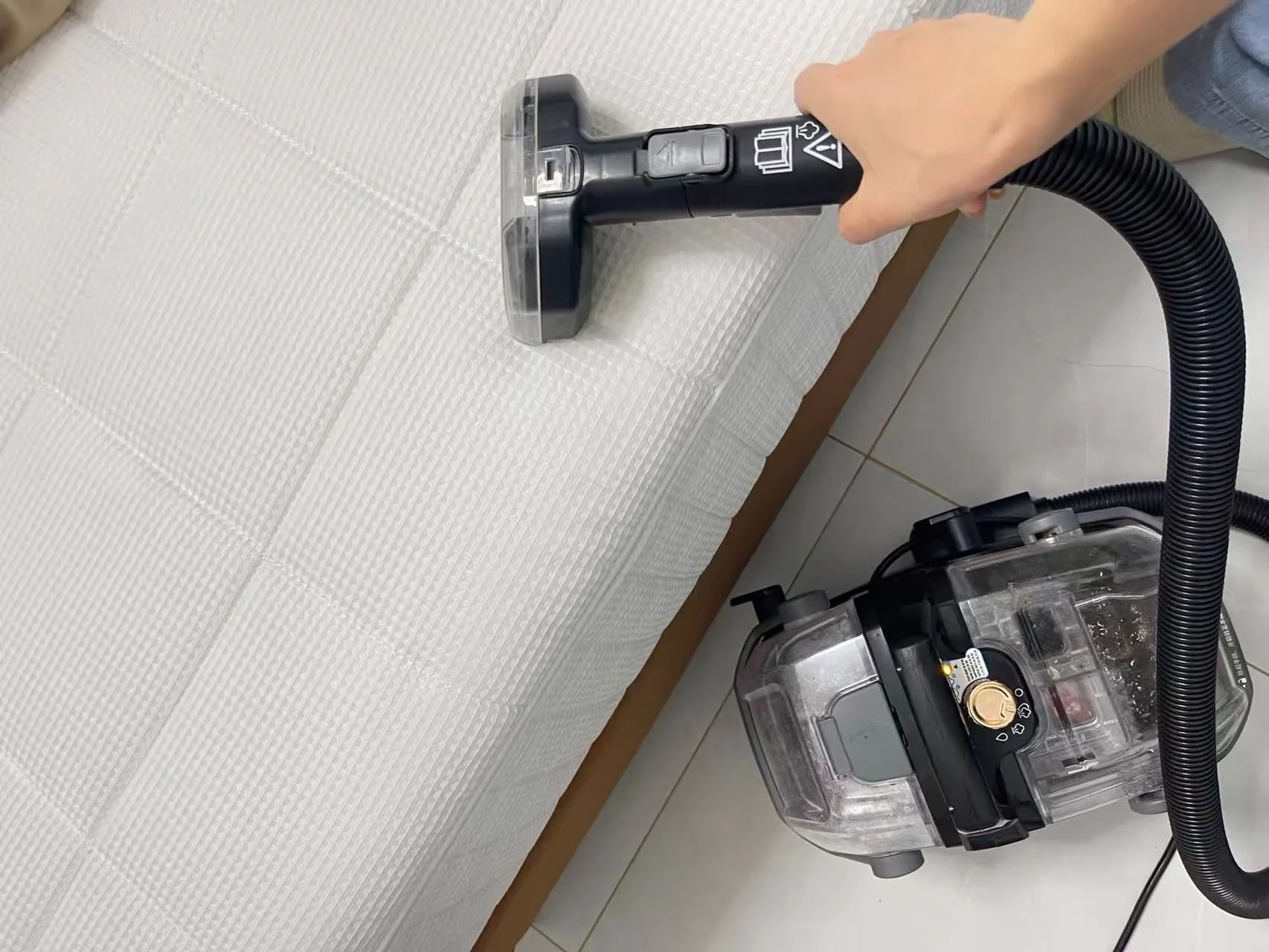
Once you’ve confirmed the mattress can be vacuumed, work slowly across the surface, then go around the sides, piping, and seams. Switch to the crevice tool for the tight spots, because skin flakes, dust, and dust-mite debris tend to collect there.
If you need to clean a mattress without a vacuum, start with a clean soft-bristle brush to loosen hair and surface debris, then sweep it into a trash bag.
This mostly handles surface dirt; seams and deeper crevices are still easier with a vacuum.
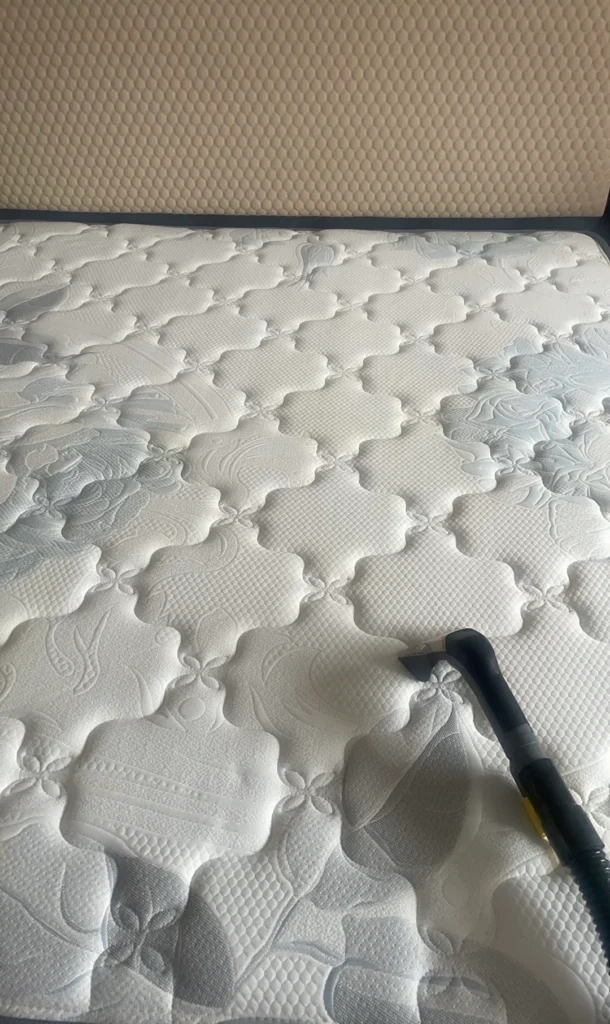
If you regularly clean mattresses, sofas, and other upholstered surfaces, a high-suction mattress vacuum can make the job a lot easier.
Step 3: How to Handle Sweat Stains, Yellowing, and Other Marks
For ordinary marks, it’s usually better to spot clean a mattress than wet a larger area. For small everyday marks, dilute a little mild cleaner with water. Put the solution in a small spray bottle, mist it onto a microfiber cloth—not directly onto the mattress—and wipe the spot so you can control how much moisture reaches the fabric.
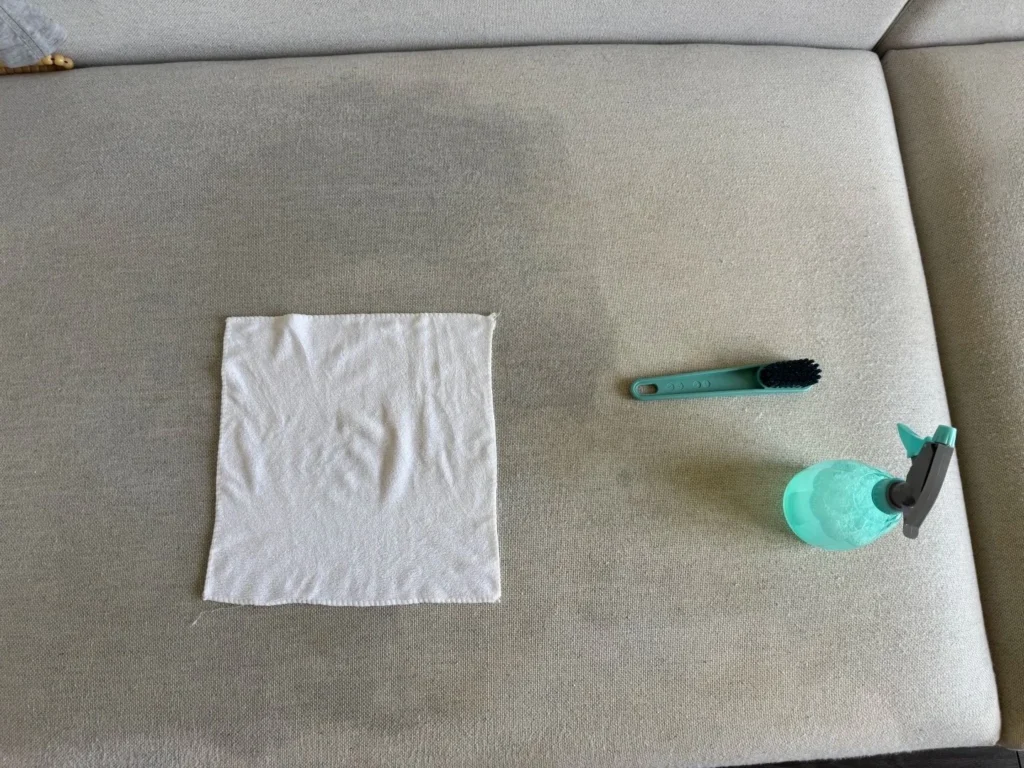
For sweat marks and yellowing, mix baking soda with a small amount of water into a paste, spread a thin layer over the spot, let it sit for about 30 minutes, and wipe it away with a damp cloth. For coffee or other drink stains, a diluted white-vinegar solution can be used for spot treatment.
Stubborn stains need to be treated according to what caused them, and a dedicated mattress stain remover can be useful when needed.
For more ways to handle blood, urine, sweat, oil, and drink stains, see “How to Remove Mattress Stains, Urine, and Odors.”
Step 4: What to Do About Odors
If there’s no odor, skip this step. If you want to clean a mattress with baking soda, make sure the surface is already mostly dry and that your vacuum can handle fine powder.
Sprinkle on a light layer and let it sit for at least an hour.
I usually leave it overnight; that takes care of the everyday odor issues for me, and the mattress smells noticeably fresher the next day.
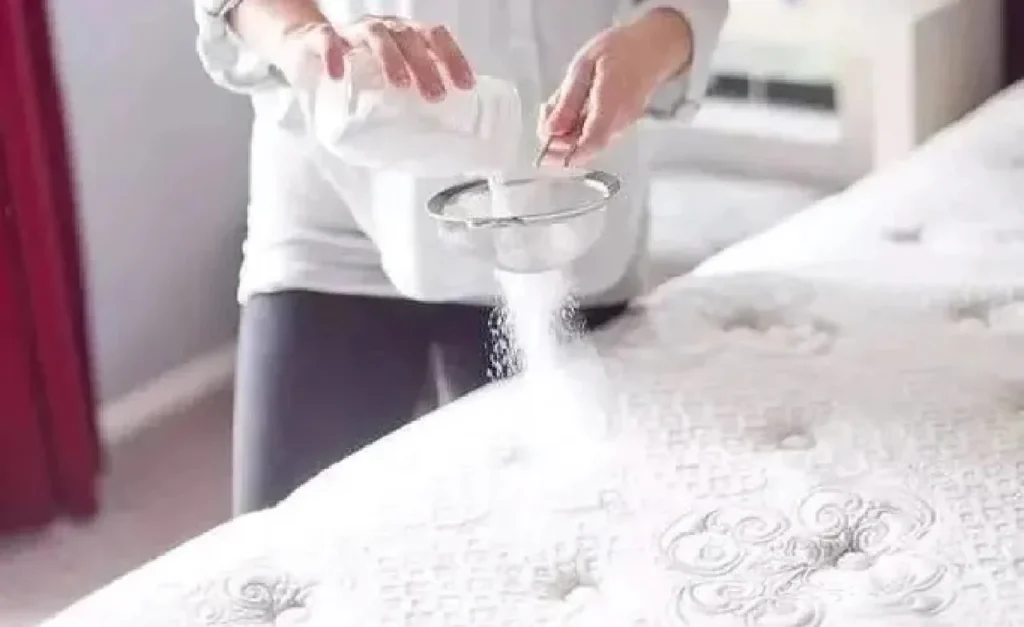
Step 5: Remove the Baking Soda and Any Residue
Vacuum up all the baking soda, paying extra attention to seams and piping. Then check the spots you cleaned earlier; if anything still feels sticky or damp, don’t add more product yet.
Step 6: Let the Mattress Dry Completely Before Remaking the Bed
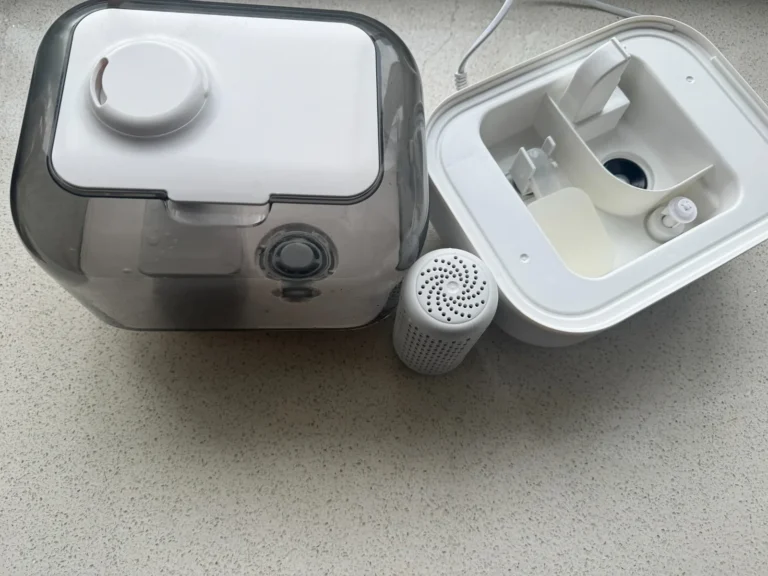
Open the windows for airflow. If the mattress is still damp, stand it on its side against a wall so both surfaces can get air. A dehumidifier can help here too. If you have memory foam or latex, which are more sensitive to heat and moisture, don’t point a hair dryer directly at the mattress.
What Changes for Memory Foam, Latex, and Innerspring Mattresses?
Memory Foam: The More Water You Use, the More Trouble You Create
When you’re figuring out how to clean a memory foam mattress, moisture is the first thing to control. Memory foam can hold water and take a long time to dry, which increases the risk of mold, so I don’t recommend steam or heavy-wet cleaning. The best approach is to vacuum dry debris first, then use a barely damp towel for small marks and air-dry the spot right away. If the mattress is clean but still feels too firm or uncomfortable, see whether adding a memory foam topper to a memory foam mattress makes sense.
Innerspring and Hybrid: Don’t Assume the Springs Make It Water-Tolerant
You can spot-clean with a damp cloth, but avoid letting liquid soak into the mattress where it can reach the springs.
Latex and Natural Fill: Keep It Gentle
Don’t soak a latex mattress or use high-temperature steam directly on it. For a small spot, use as little liquid as possible, blot or extract the moisture promptly, then let it dry in a cool, well-ventilated place out of direct sun.
Baking Soda, Vinegar, and Steam: Do You Really Need All Three?
Baking Soda: Good for Odors, Not a Cure-All
We already used it above: if odor is an issue and your mattress allows it, baking soda can help; if there’s no odor, skip it. It won’t fix a deep urine stain, and a fresh smell doesn’t mean the mattress has been disinfected.
White Vinegar: Don’t Treat It as the Default for Every Mattress
Some guides tell you to mix up a bottle of vinegar and water right away. I don’t. The mattress material, cover fabric, and cleaner residue all matter. If the care instructions limit what you can use, follow them; and if a mild spot-cleaning method is already working, there’s no reason to pile on another product just because it sounds more “natural.”
Steam: Make Sure Your Mattress Allows It Before Bringing Out the Machine
People search for how to steam clean a mattress because it sounds like a faster way to get a deeper clean. The problem is that steam brings both heat and moisture, and not every mattress can handle that. I only consider it when both the mattress brand and the steam cleaner say the method is suitable; for routine cleaning, there’s usually no need to bring out a steamer.
Secondhand Mattresses: Inspect First, Then Decide Whether It’s Worth Cleaning
If you’re wondering how to clean a used mattress, cleaning isn’t the first thing I would do. Start by asking where it came from and checking for dampness, mold, signs of pests, or large unidentified stains. A mattress can look clean and still have problems you can’t see.
How Often Should You Clean a Mattress? It Depends on Your Routine
How often should you clean a mattress? For me, it mostly comes down to daily habits. I usually vacuum mine whenever I wash the sheets each week. After I started using a waterproof mattress protector, the mattress itself stayed cleaner much longer, so a deep clean every four to six months has been enough for me. I’m prone to allergies, and when the bedding or mattress feels damp or less than clean, my skin tends to get itchy, so I clean a little more often than some people.
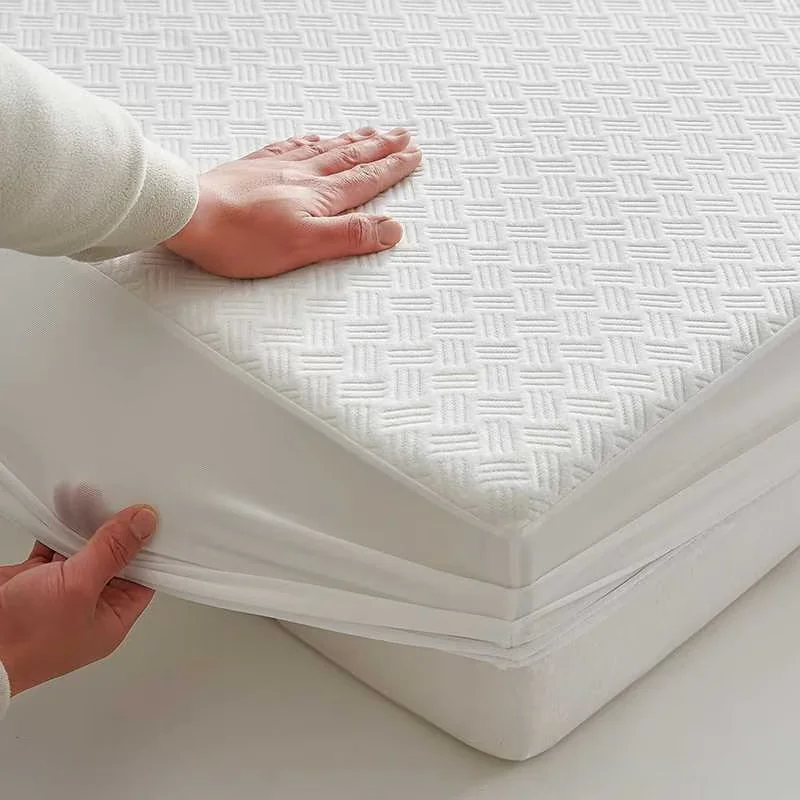
The right schedule still depends on the household. If you leave the comforter spread flat over the bed after you get up, overnight moisture has less chance to escape. Especially in humid weather, keeping the mattress dry and well ventilated matters more than memorizing a fixed cleaning schedule.