How Long Do Memory Foam Mattresses Last?

We may earn a commission from affiliate links to products on this page, at no additional cost to you. Learn more
Waking up refreshed usually means you slept well the night before. But sometimes, you turn over at night and hear the bed frame squeak. By morning, there’s still a noticeable dip in the mattress, your back aches, and you feel tired all over. Well, think about how many years this mattress has been with you. Maybe it really is time for a new one.
Whether a mattress needs replacing shouldn’t be judged by the manufacturer’s warranty alone, because the warranty period isn’t the same as its actual lifespan. How long do memory foam mattresses last? A common estimate is around 7–10 years, but the actual lifespan can vary with material quality, internal construction, and everyday use. Rather than focusing only on age, pay more attention to whether the mattress still provides good support.
How Long Do Memory Foam Mattresses Last by Type?
Traditional Memory Foam
Under normal use, about 7–10 years. Actual durability still depends on foam density, mattress construction, and everyday use.
Gel-Infused Memory Foam
Its typical lifespan is usually around 7–10 years as well.
Open-Cell / Plant-Based Memory Foam
These foams mainly change airflow, responsiveness, and formulation, and there isn’t a reliable, industry-wide lifespan range specifically for them. When you’re shopping, it’s still better to look at foam density, the materials used in each layer, and the overall construction. Some brands cite 10–15 years for higher-quality, higher-density memory foam.
What Affects Memory Foam Mattress Lifespan?
Foam Density and Layer Construction
When you’re judging the durability of a memory foam mattress, foam density is a core factor. It’s also an important part of the longevity of a memory foam mattress and how well it continues to support you. Lower-density foam may be more likely to sag and lose its shape over time, gradually losing its original support, while higher-density memory foam is generally more durable. The Polyurethane Foam Association also explains that density is related to durability, while firmness is a separate measurement: high-density foam can be soft, and low-density foam can be firm.
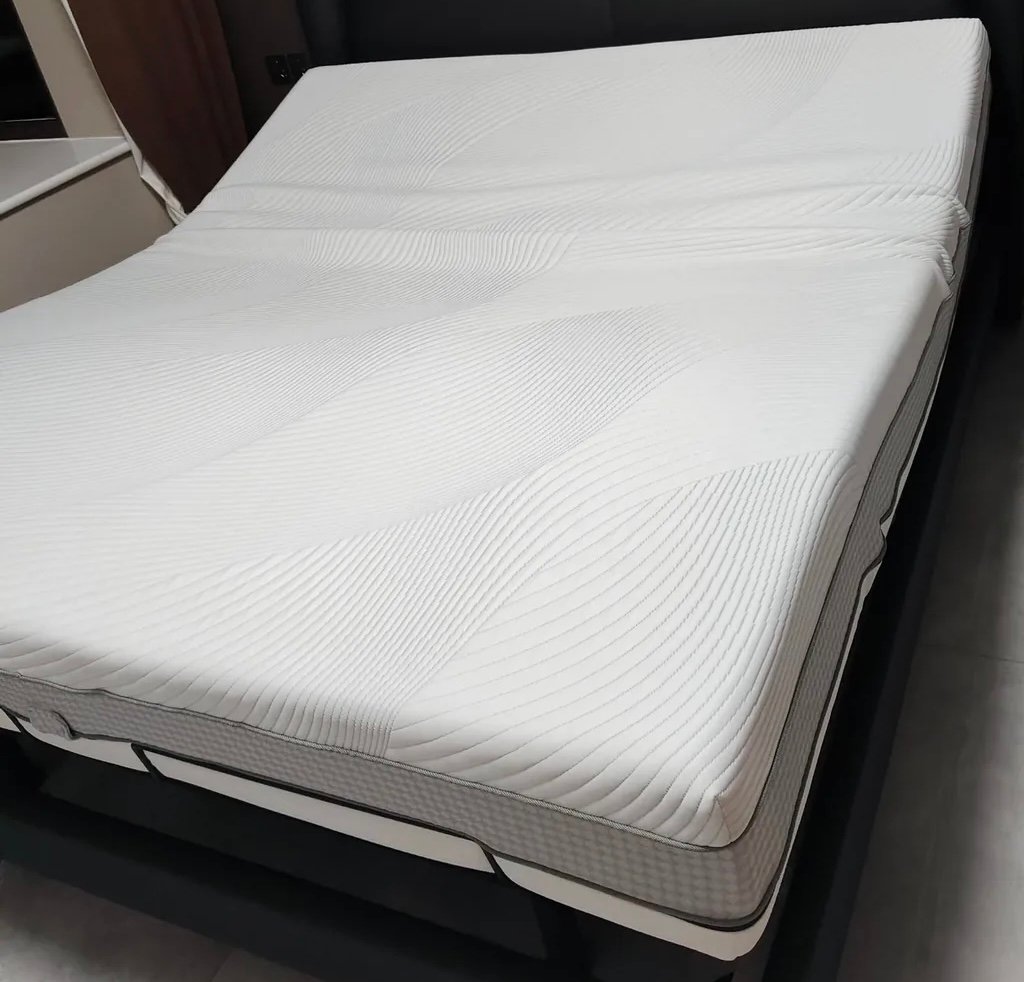
Of course, the materials used inside the mattress deserve just as much attention. A memory foam comfort layer sits on top to contour to the body, some mattresses add transition foam in the middle, and support foam at the bottom holds up the mattress so it feels more comfortable to sleep on.
If you’re considering replacing your current mattress with a memory foam model, take a look at the manufacturer’s description for the mattress below. It gives you a clearer picture of how the comfort, cushioning, and support layers are put together in a real memory foam mattress.
FEATURED MEMORY FOAM MATTRESS
Why We Like It
What to Consider
Daily Use and Habits
Sleeping on a mattress every day is normal use, but roughhousing or jumping on the bed puts extra pressure on certain areas and can increase wear.
So memory foam mattress longevity also depends on how the bed is used.
Heat, Moisture, and Environmental Conditions
If the mattress feels softer, don’t rush to assume it’s aging. Memory foam’s firmness and response time are also affected by temperature: in warmer conditions it usually conforms more readily to the body, while in colder conditions it may feel firmer. The Polyurethane Foam Association also notes that environmental conditions need to be controlled when comparing these materials.
How Often Should You Replace a Memory Foam Mattress?
Normal Body Impressions vs. Permanent Sagging
During normal use, memory foam gradually returns to its shape after pressure is removed. The body impression you see just after getting up will normally smooth out after a while.
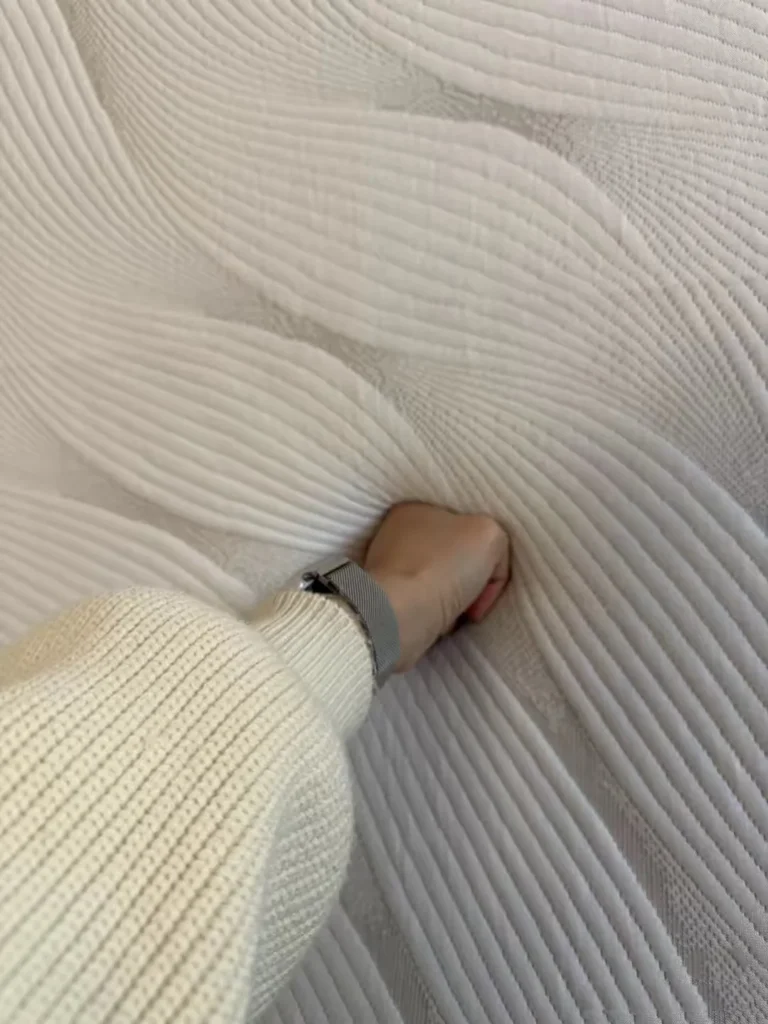
If the mattress develops a noticeable dip when you lie down, or you notice a large sunken area through the middle while sleeping, that can mean the internal structure has deformed and it’s time to consider a new mattress.
Loss of Support and Changes in Comfort
You might notice that a spot that used to feel stable now sinks much deeper, or that the same dip keeps pulling you back when you turn over. Changes like these are a good reason to inspect both the mattress and the support underneath it.
Likewise, a sleeping position that used to feel comfortable may suddenly stop working, or you may wake up still feeling tired with an aching back. Your mattress could be part of the problem. But if the pain persists, gets worse, or comes with numbness or weakness, it’s best to ask a doctor for an assessment. After all, we’re just trying to get a good night’s sleep.
Visible Damage and Moisture-Related Problems
You turn around and suddenly find your pet peeing on the mattress. What a mess. If it isn’t handled properly, moisture can get into the mattress, mold may develop, and the odor can linger. For help dealing with those mattress stains, see our guide, “How to Remove Urine, Yellow Stains, Odors, and Other Mattress Stains.”
And yes, kids like playing on beds, and that can damage the internal structure. I know they don’t mean to, but it really can shorten the mattress’s useful life.
So when you’re asking how long a memory foam mattress lasts, there really are a lot of things that can affect the answer.
Allergy-Like Symptoms or Odors
Over time, sweat, skin flakes, and dust mites can build up in a mattress. If you wake up with itchy skin one day, think about how long it’s been since the mattress was last treated for dust mites or thoroughly cleaned.
How to Make a Memory Foam Mattress Last Longer
If you want to extend the life of a memory foam mattress, here are a few things worth trying:
Use a Mattress Protector
A mattress protector can help reduce wear on the surface, and a waterproof one is especially useful.
Turn Your Mattress Regularly
Consider turning the mattress over every two to three months, as long as it’s a model designed to be used on both sides, like the one mentioned here. This helps distribute wear more evenly instead of putting all the use on one surface. Follow the manufacturer’s instructions for your specific mattress.
Keep It Clean and Dry
Keeping the mattress clean is essential if you want to get the most out of its expected lifespan. To help extend its use, you can also add a memory foam topper. I think that makes the bed feel warmer in winter, too.
Frequently Asked Questions About Memory Foam Mattress Lifespan
Can a Memory Foam Mattress Last Longer Than 10 Years?
Yes. So, how long should a memory foam mattress last? There isn’t a single deadline that says it must be replaced at a certain point. If yours is ten years old and the surface is still even, with no noticeable loss of support, you can keep using it. How long are memory foam mattresses good for after that? It still depends on the actual wear.
Does Gel Memory Foam Last Longer Than Regular Memory Foam?
Not necessarily. Gel memory foam is generally designed to help manage how warm the bed feels while you sleep. The word “gel” alone doesn’t mean it will last several years longer. When shopping, look again at the foam density and internal construction discussed above.
Will Putting a Memory Foam Mattress on the Floor Help It Last Longer?
The floor may be flat, but the underside of the mattress might not get much airflow, and moisture can build up in humid weather. Some brands also advise against using a mattress this way, so check the manufacturer’s instructions for your model first.
What If Your Mattress Starts Sagging While It’s Under Warranty?
If the mattress starts sagging noticeably earlier than expected, don’t rush to spend money on a new one. Find your purchase records, take photos of the sagging area and the bed frame, then contact the manufacturer to ask about the warranty terms. Whether it’s covered depends on the terms for that specific product.
Can a Memory Foam Topper Add Years to an Older Mattress?
If the surface just feels too firm, adding a memory foam topper may make it more comfortable. But if the mattress itself is already sagging badly or has lost support, another layer won’t fix it. So how long will a memory foam mattress last after you add a topper? You can’t simply add a few more years just because you added another layer.
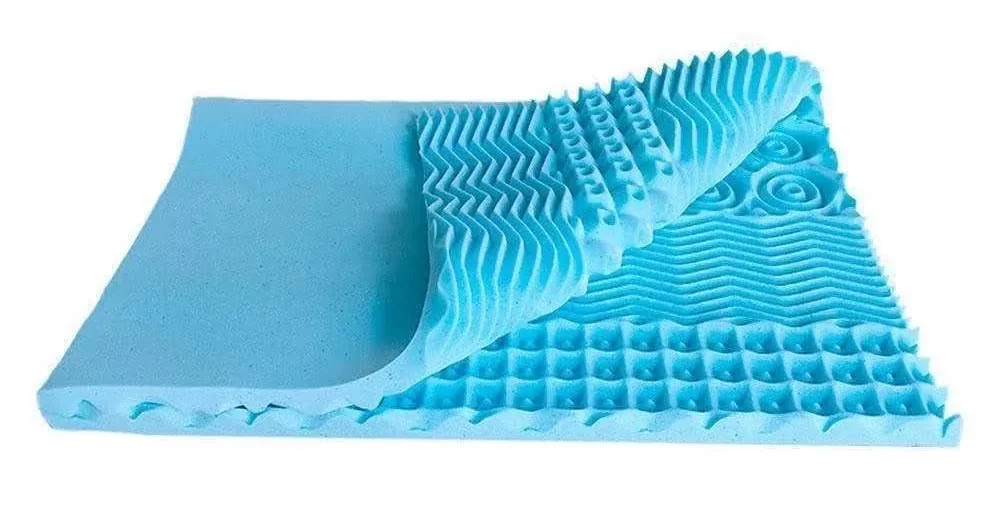
If you’d like to know how to choose and pair a topper with your mattress, see our earlier guide, “Can You Put a Memory Foam Topper on a Memory Foam Mattress?”